

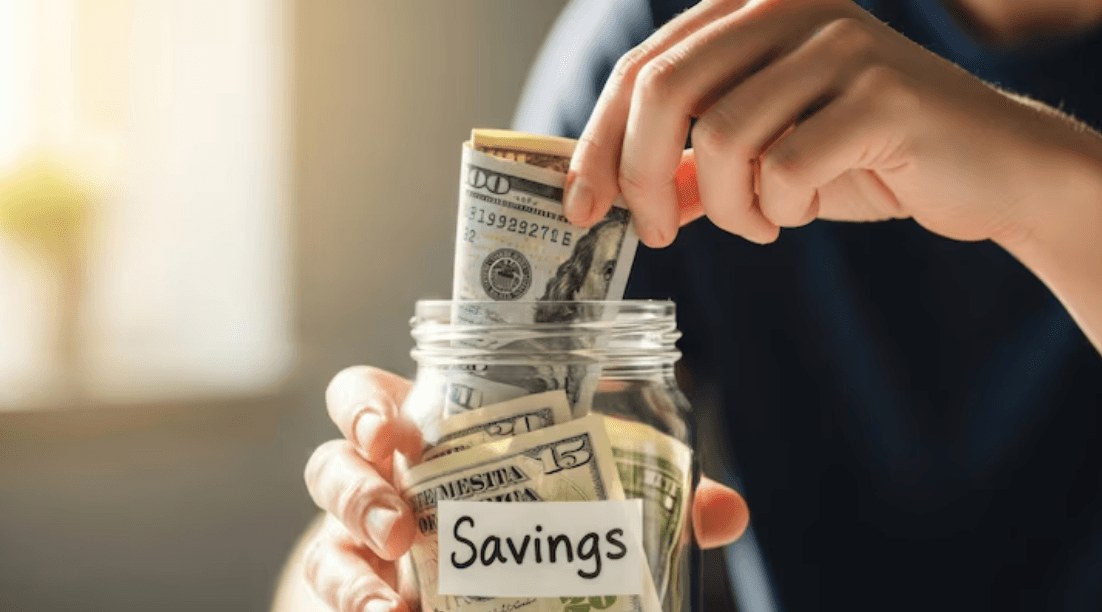

Understanding the fundamental difference between a high-yield savings account vs traditional accounts is the most critical step toward optimizing your personal finances in 2026. While traditional bank accounts have long served as the standard repository for emergency funds and short-term savings, their stagnant interest rates often fail to keep pace with inflation, effectively eroding your purchasing power over time. Conversely, high-yield savings accounts (HYSAs) leverage the digital banking revolution to offer significantly higher Annual Percentage Yields (APYs), allowing your capital to grow organically with minimal additional effort. By carefully evaluating your liquidity needs, risk tolerance, and long-term financial goals, you can select the banking vehicle that best protects your wealth while maximizing your returns in an increasingly competitive economic climate.
Table of Contents
- How to Switch from a Traditional Bank to an Online-Only Bank: A Step-by-Step Guide
- How to Spot Phishing Text Messages and Protect Your Bank Account from Scams
- Mobile Banking Safety Checklist for Senior Citizens
- Best Savings Account Features for Daily Transactions
- How to Avoid Hidden Bank Charges and Service Fees
The Mechanics of Traditional Savings Accounts
Traditional savings accounts are typically offered by brick-and-mortar financial institutions that maintain physical branches in your local community. These accounts provide a sense of security and accessibility, allowing customers to walk into a branch to deposit cash, resolve account discrepancies, or obtain cashier’s checks. However, the overhead costs associated with maintaining these physical locations—such as rent, utilities, and staffing—directly impact the interest rates banks are willing to offer depositors. Consequently, the interest earned on these accounts is often negligible, sometimes hovering near 0.01% APY, which barely registers as meaningful growth for the average household balance.
Despite their low yield, these accounts remain a staple for many consumers who prioritize immediate access to human assistance and local service. You might use these for your primary checking integration or as a holding spot for funds you need to access via ATM withdrawals frequently. While they offer convenience, they are rarely the optimal choice for long-term wealth preservation. If you keep a substantial balance in a traditional account, you are essentially paying a “convenience tax” by sacrificing the interest income you could be earning elsewhere. For many, the transition to online banking represents a necessary shift in financial strategy to combat the persistent threat of inflation.
The Advantages of High-Yield Savings Accounts
High-yield savings accounts are primarily offered by online banks and credit unions that operate without the burden of physical infrastructure. By eliminating the costs of branch maintenance, these institutions can pass the savings back to the consumer in the form of interest rates that are often ten to twenty times higher than those found at traditional banks. As of 2026, many of these platforms provide robust mobile applications, seamless digital transfers, and competitive features like automated savings tools. These digital-first institutions are typically FDIC-insured or NCUA-insured, meaning your deposits are protected up to the standard limits of 250,000 dollars, providing the same level of safety as a traditional bank.
Beyond the interest rate, HYSAs often include advanced features that encourage healthy financial habits. Many modern platforms allow you to create “buckets” or sub-accounts specifically labeled for different goals, such as travel, home repairs, or tax payments. This psychological compartmentalization helps savers stay focused on their objectives without the need for complex spreadsheets. Furthermore, because these accounts are designed for savings rather than daily transactional use, they discourage impulsive spending by creating a slight “friction” barrier—typically a 1-3 day transfer time—between your savings and your primary checking account. This buffer is often enough to deter unnecessary withdrawals while maintaining sufficient liquidity for emergencies.
Comparative Analysis of Banking Options
| Feature | Traditional Savings | High-Yield Savings |
|---|---|---|
| Interest Rates | Very Low (0.01% | High (3.00% |
| Physical Presence | Multiple Branches | Digital Only |
| Fees | High Monthly Maintenance | Usually Zero/Low |
| Accessibility | In-person and ATM | Online/Mobile Transfers |
| Best For | Daily Transactions | Emergency/Long-term Savings |
Evaluating Your Liquidity Requirements
When choosing between these options, you must assess how often you need to touch your cash. If you require immediate access to physical currency for daily errands, a traditional account linked to an ATM card is indispensable. However, for a dedicated emergency fund, the speed of access is less important than the rate of return. Experts at the Consumer Financial Protection Bureau suggest that keeping three to six months of expenses in a high-yield account is the gold standard for financial stability. By separating your “spending money” from your “growing money,” you ensure that your assets are working as efficiently as possible while remaining available for genuine crises.
Inflation and the Real Rate of Return
The most compelling argument for switching to a high-yield savings account is the concept of the real rate of return, which is the nominal interest rate minus the rate of inflation. If your traditional savings account pays 0.05% interest but inflation is running at 3%, your money is effectively losing value at a rate of 2.95% per year. In this scenario, your purchasing power is shrinking, even if the balance on your statement remains the same. High-yield savings accounts aim to mitigate this decay by offering rates that strive to keep pace with or exceed the current inflation rate, acting as a defensive shield for your net worth.
In 2026, market volatility remains a concern for many investors, making the stability of a savings account highly attractive. While stocks and bonds offer the potential for higher returns, they also carry the risk of capital loss. A high-yield savings account provides a “risk-free” return on investment, backed by federal insurance. For the cautious saver, this represents the ideal balance between growth and preservation. By shifting your idle cash from a low-interest environment to a high-interest one, you are not just saving money; you are actively managing your financial future against the erosive forces of the modern economy.
Overcoming Barriers to Digital Banking
Many beginners feel apprehensive about moving their money to an online-only institution, fearing that the lack of a physical office makes their money less secure or harder to manage. However, the regulatory oversight for online banks is identical to that of traditional banks. You can verify the legitimacy of any institution by checking their FDIC status on the FDIC website. Security protocols at digital banks are often more advanced than their traditional counterparts, featuring multi-factor authentication, biometric logins, and real-time fraud alerts that are easily managed through a smartphone. Moving your funds is typically as simple as linking your existing bank account via an ACH transfer.
Once you make the switch, you will find that the convenience of digital banking often exceeds that of traditional branches. Instead of waiting in line for a teller to process a deposit or update your information, you can perform these tasks instantly from your home. The transition period is usually brief, and the long-term benefits of earning compound interest far outweigh the initial learning curve. By embracing digital tools, you gain greater visibility into your finances, allowing you to track your progress toward your goals with precision and confidence. The modern banking experience is built on efficiency, and failing to utilize these features is a missed opportunity for your portfolio.
Strategizing Your Financial Future
Ultimately, the decision regarding high-yield savings accounts vs traditional accounts should be viewed as a component of your broader financial strategy. You do not have to choose just one; many successful savers use a hybrid model. They maintain a small, liquid balance in a local traditional bank for immediate needs while funneling the bulk of their savings into a high-yield account to capture growth. This “hub-and-spoke” model ensures that you are never caught without cash while simultaneously ensuring that your long-term savings are not sitting dormant in a low-interest environment. This strategic approach provides the best of both worlds, keeping your money accessible yet productive.
As you refine your strategy, remember to review your interest rates periodically. Financial institutions frequently adjust their APYs based on federal interest rate changes, and loyalty to a specific bank is rarely rewarded with higher rates. If your current high-yield provider drops their rate significantly below the market average, do not hesitate to move your funds to a more competitive institution. Your money is a tool, and you are its manager. By staying informed and proactive, you can ensure that your savings are consistently working to support your lifestyle and your long-term financial independence.
Key Takeaways
- High-yield savings accounts offer significantly higher interest rates than traditional bank accounts.
- Traditional accounts provide the convenience of physical branches for cash services and in-person support.
- Inflation erodes the value of money left in low-interest accounts over time.
- FDIC and NCUA insurance provide the same level of safety for both online and traditional banks.
- A hybrid strategy, using both account types, is often the most effective approach for personal finance.
- Regularly monitor your APY to ensure your savings remain competitive with current market trends.
Frequently Asked Questions
Are high-yield savings accounts safe?
Yes, they are just as safe as traditional bank accounts provided you choose an institution that is FDIC or NCUA insured, which protects your deposits up to 250,000 dollars.
Do online banks have hidden fees?
While some may have minor fees, most reputable high-yield accounts are designed to be fee-free or have very low thresholds to waive monthly maintenance costs.
How quickly can I access my money in a HYSA?
Most transfers to your linked checking account take 1 to 3 business days, which is perfectly sufficient for non-emergency savings but not ideal for daily spending.
Can I have both a traditional and a high-yield account?
Absolutely; many people keep a small checking account at a local bank for daily needs and move excess savings to a high-yield account for growth.
Will my interest rate stay the same forever?
No, high-yield savings account rates are variable and fluctuate based on federal interest rate changes and the decisions of the specific banking institution.
Conclusion
Navigating the landscape of modern banking is essential for anyone looking to build wealth and maintain financial security. By recognizing the limitations of traditional accounts and embracing the growth potential of high-yield savings accounts, you take control of your economic trajectory. Whether you are building an emergency fund, saving for a home, or simply looking to protect your hard-earned income from inflation, the right choice of account is a powerful tool in your arsenal. Stay informed, remain proactive, and prioritize your financial growth by ensuring your money is always working as hard as you do.
Disclaimer: The information provided in this article is for educational and informational purposes only and does not constitute financial advice. Please consult with a certified financial professional before making any financial decisions.
Related Financial Guides:
- Best Digital Banking Practices for Safe Money Management
- Best Personal Finance Planning Tips for Beginners
- 10 Essential Money Saving Habits for Beginners
About the Author: Larson
Certified Financial Consultant & Digital Wealth Strategist
With over a decade of experience in personal finance, wealth management, and digital banking optimization, Larson provides expert-backed, actionable strategies to help readers build long-term financial stability. His insights strictly adhere to ethical financial practices and industry standards.
