


Learning how to prepare financially for unexpected emergency vehicle or home expenses is a cornerstone of long-term fiscal stability. Life is inherently unpredictable, and the sudden failure of a major appliance or a catastrophic mechanical breakdown can derail even the most carefully planned budget. Without a dedicated financial safety net, homeowners and drivers often find themselves resorting to high-interest credit cards or predatory payday loans to cover essential repairs. By adopting a proactive strategy today, you can insulate your household from the stress of sudden costs. As we navigate the economic landscape of 2026, building resilience through systematic saving and strategic insurance coverage remains the most effective way to protect your assets and maintain your peace of mind when crises strike.
Establishing a Dedicated Emergency Fund
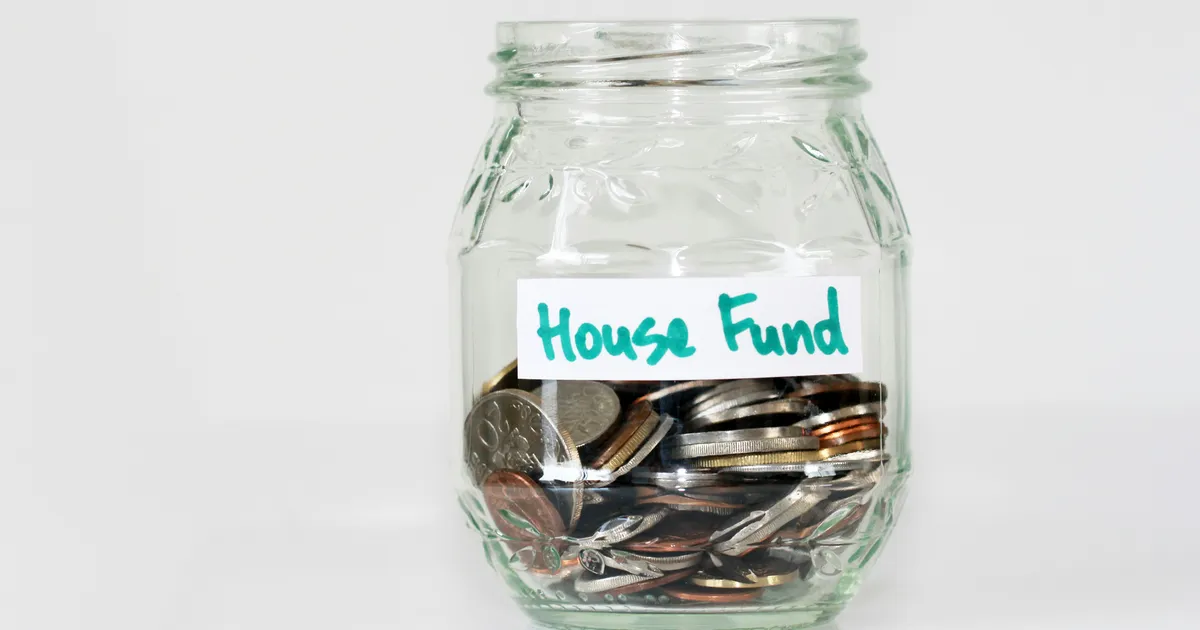
The first line of defense against unforeseen costs is a high-yield savings account designated exclusively for emergencies. Most financial advisors recommend setting aside at least three to six months of living expenses, but when accounting for home and vehicle maintenance, you should augment this with a separate sinking fund. A sinking fund is essentially a savings bucket where you contribute small, recurring amounts specifically for predictable yet irregular costs, such as new tires or a hot water heater replacement. By automating these transfers, you remove the emotional burden of saving and ensure that cash is readily available the moment a repair technician delivers a quote.
To determine how much you need, conduct a thorough audit of your home and vehicle age. Older HVAC systems or vehicles with high mileage require larger buffers than newer assets. You can reference resources from Consumer Finance to better understand how to structure your personal budget for these specific goals. By treating these maintenance costs as a monthly bill rather than a surprise event, you shift your financial posture from reactive to proactive. In 2026, many banking platforms allow you to create sub-accounts or “vaults,” making it easier to visualize your progress toward specific repair goals without commingling these funds with your daily checking balance.
Strategic Insurance and Warranty Coverage
While savings act as your primary shield, insurance and home warranties serve as critical secondary layers of protection. Standard homeowners insurance covers major disasters, but it rarely accounts for the mechanical failure of essential systems like plumbing, electrical wiring, or built-in appliances. This is where home service contracts, often called home warranties, can provide value for older properties. Carefully evaluate the deductible versus the premium cost; a higher deductible can lower your monthly payments, provided you have the cash reserves to cover that deductible in an emergency. Always read the fine print regarding “wear and tear” exclusions before committing to a plan.
Evaluating Repair Coverage Options
Choosing between a home warranty and an extended vehicle warranty requires a careful cost-benefit analysis. While some argue that self-insuring through a savings account is superior, others find comfort in fixed-cost protection plans. Use the table below to weigh your options before making a decision.
| Feature | Emergency Savings | Home Warranty | Vehicle Extended Warranty |
|---|---|---|---|
| Flexibility | High | Low | Low |
| Cost | Interest-earning | Monthly premium | Monthly premium |
| Approval | Instant access | Requires claims process | Requires claims process |
Regarding your vehicle, consider whether your current insurance policy includes roadside assistance or rental car reimbursement. These modest add-ons can save you hundreds of dollars during a breakdown. Researching providers through The Insurance Information Institute can help you distinguish between essential coverage and unnecessary upselling. Remember that as vehicles age, the cost of specialized parts often rises, making comprehensive coverage more attractive than it might have been when the car was brand new.
Prioritizing Maintenance to Prevent Failures
The most cost-effective way to prepare for emergencies is to prevent them from occurring in the first place. Deferred maintenance is a silent killer of household budgets, as small leaks or minor engine rattles inevitably escalate into massive, multi-thousand-dollar catastrophes. Establish a strict preventative maintenance schedule for your home, including bi-annual HVAC service, gutter cleaning, and roof inspections. For your vehicle, adhere strictly to the manufacturer’s service intervals for oil changes, fluid flushes, and tire rotations. Documenting these services in a digital log can also increase your asset’s resale value, providing a hidden financial return on your investment.
Educating yourself on the basics of home and vehicle care can also save you from unnecessary service fees. Many minor issues, such as a clogged drain or a loose battery terminal, can be resolved with basic tools and a quick tutorial. However, recognize your limitations; attempting a complex repair without the proper training can lead to secondary damage that costs significantly more to fix. Balance your DIY efforts with a list of vetted, reliable professionals you can call at a moment’s notice. Having a trusted contractor or mechanic already in your contacts list prevents the panic-induced decision-making that often leads to overpaying for emergency services.
Leveraging Financial Tools and Credit
In the event that an emergency expense exceeds your current savings, having a strategic credit plan is essential. Never treat credit cards as a long-term solution, but rather as a short-term bridge to cover immediate costs while your liquid assets are being moved or liquidated. Look for credit cards that offer 0% introductory APR periods or those with robust purchase protection benefits. By paying off the balance within the promotional window, you can effectively interest-free finance a major repair. However, this strategy requires strict discipline; if you cannot guarantee repayment within the window, the interest rates will quickly negate any financial gain.
Another option for major repairs involves low-interest personal loans or home equity lines of credit (HELOC). These should be reserved for catastrophic failures rather than routine maintenance. In 2026, fintech solutions have made it easier to compare rates across multiple lenders, allowing you to secure funding with favorable terms. Before signing any agreement, calculate the total cost of interest over the life of the loan. If the repair cost is manageable, prioritize using your emergency fund or a small payment plan directly through the service provider, as these often carry lower interest burdens than traditional bank loans or credit lines.
Building a Network of Trusted Professionals
An emergency is rarely the right time to start vetting contractors or mechanics. When a pipe bursts at 2:00 AM, you are at the mercy of whoever picks up the phone. Building a pre-vetted list of vendors allows you to skip the research phase during a crisis. Ask friends, neighbors, and local community groups for recommendations, and look for professionals who are licensed, bonded, and insured. Establishing a relationship with a local mechanic or plumber before you need them can often lead to better pricing and faster response times, as these professionals prioritize their loyal, long-term clients.
When interviewing potential vendors, ask about their emergency response policies and after-hours fees. Some companies offer priority service contracts to repeat customers, which can be an invaluable asset when you are facing a time-sensitive issue. Additionally, be wary of “too good to be true” quotes. If one service provider is significantly cheaper than the market average, they may be cutting corners on parts or labor, which could result in a repeat failure down the road. Quality repairs are an investment in your home and vehicle’s longevity, so prioritize value and reputation over the absolute lowest price point when your property is at stake.
Adapting to the Economic Landscape of 2026
Economic conditions in 2026 require a more agile approach to financial planning than in previous decades. Inflationary pressures on parts and labor mean that your emergency fund targets may need to be adjusted upward annually. Regularly review your savings goals to ensure they keep pace with the rising costs of home repair and vehicle maintenance. If your income allows, consider increasing your monthly contributions to your sinking funds by a small percentage each year to account for these systemic changes. This adjustment strategy ensures that your purchasing power remains stable despite fluctuations in the broader economy.
Finally, embrace the power of technology to monitor your assets. Smart home sensors can alert you to water leaks or high humidity levels before they cause structural damage. Similarly, modern vehicle diagnostic tools can provide real-time updates on your car’s health, allowing you to address minor mechanical issues before they become expensive breakdowns. By integrating these tools into your daily life, you reduce the likelihood of “unexpected” expenses becoming full-blown crises. Being prepared is not about predicting the future; it is about building a system that can withstand the inevitable surprises that come with homeownership and vehicle operation.
Key Takeaways
- Automate monthly contributions to a dedicated emergency and sinking fund.
- Maintain a preventative maintenance schedule to catch small issues early.
- Compare home warranties and insurance add-ons to mitigate large costs.
- Build a list of vetted local professionals before an emergency happens.
- Use credit strategically as a bridge, not a long-term financing solution.
- Adjust your savings goals annually to account for inflation in 2026.
Frequently Asked Questions
How much should I keep in my emergency fund?
Aim for three to six months of essential living expenses, plus a separate sinking fund specifically for home and vehicle repairs based on the age and condition of your assets.
Is a home warranty worth the cost?
It depends on the age of your home and its systems. A warranty is often beneficial for older homes with aging appliances, provided you read the contract for specific exclusions.
What is the best way to handle a repair I cannot afford?
Explore 0% interest credit card offers for short-term bridging, or inquire about financing plans directly through the service provider, which may have lower interest rates than personal loans.
How often should I review my emergency savings?
Conduct a financial audit at least once a year to adjust your savings targets for inflation and to account for any major changes in your home or vehicle status.
Should I DIY my home or vehicle repairs?
DIY is great for minor maintenance to save money, but avoid complex tasks that could cause secondary damage or void your warranties if you lack the necessary expertise.
Conclusion
Mastering the art of financial preparation for unexpected vehicle and home expenses is an ongoing process of diligence and foresight. By establishing dedicated savings, leveraging smart insurance, and maintaining your assets with regularity, you can transform potential emergencies into manageable inconveniences. The strategies outlined here provide a robust framework for navigating the economic realities of 2026, ensuring that you remain in control of your financial future. Remember that peace of mind is the greatest dividend of all, and it is earned through the simple, consistent actions you take today to protect your home and your mobility.
Disclaimer: The information provided in this article is for educational and informational purposes only and does not constitute financial advice. Please consult with a certified financial professional before making any financial decisions.
Related Financial Guides:
- Quick Savings Hacks: Simple Tricks to Boost Your Bank Account
- Best Emergency Fund Strategy for Middle Class Households
- Types of Insurance Coverage Every Adult Should Consider
About the Author: Larson
Certified Financial Consultant & Digital Wealth Strategist
With over a decade of experience in personal finance, wealth management, and digital banking optimization, Larson provides expert-backed, actionable strategies to help readers build long-term financial stability. His insights strictly adhere to ethical financial practices and industry standards.
