

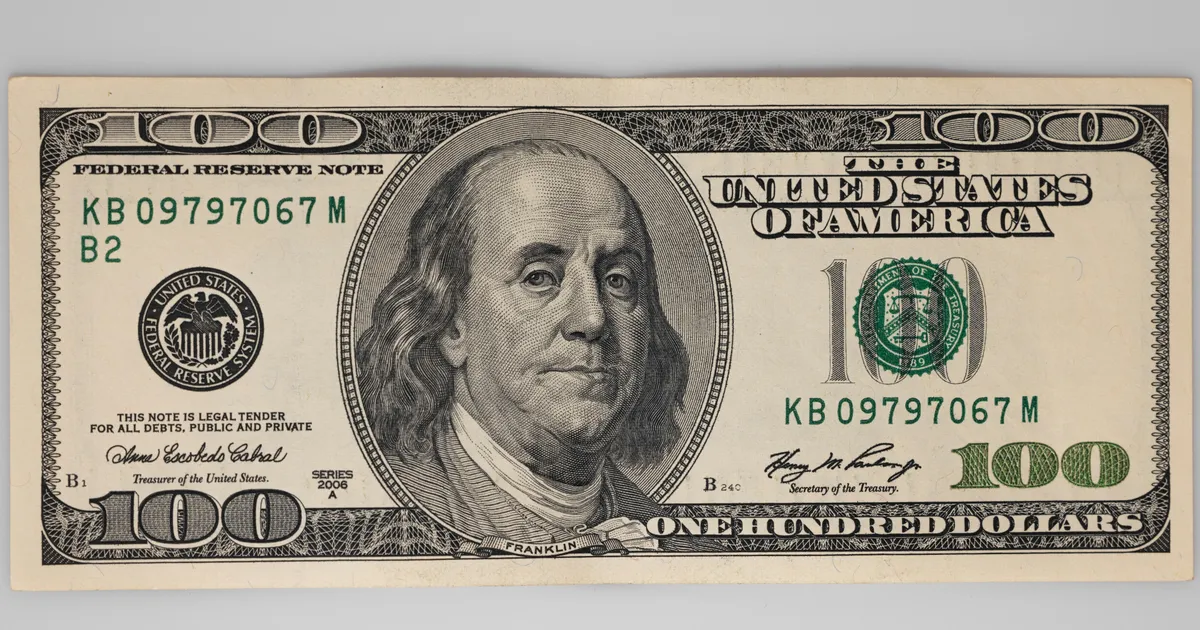

Designing a realistic cash envelope budgeting system for daily spending remains the most effective psychological tool for regaining control over your financial habits in 2026. By utilizing physical currency, you engage the brain’s pain centers, which significantly reduces impulsive purchasing compared to the frictionless experience of swiping a credit card. While digital tools have their place, the tactile nature of this method forces you to confront the finite nature of your income before you reach the checkout counter. This strategy is not merely about restriction; it is about intentionality and aligning your daily outflows with your long-term wealth building objectives. By segmenting your variable expenses, you create clear boundaries that protect your savings and prevent the common pitfall of lifestyle creep that often plagues modern consumers.
Table of Contents
Categorize Your Variable Expenses
The foundation of any successful cash-based system lies in identifying which spending categories are truly variable. Fixed costs like mortgage payments, insurance premiums, and internet bills should remain in your bank account, as they are easily automated. Focus your envelope efforts on categories where human behavior is most volatile, such as groceries, dining out, entertainment, and personal care. Research from the Consumer Financial Protection Bureau suggests that tracking these specific areas is the fastest way to identify leaks in your monthly budget. Start by reviewing your last three months of bank statements to determine an honest average for each category.
Once you have identified these categories, assign a realistic dollar amount to each based on your net monthly income. It is vital to remain conservative during this initial phase to ensure you do not run out of funds by the third week. If your calculated total for these envelopes exceeds your available cash, you must prioritize your spending based on your values. Remember that this system is meant to be a living structure; you can adjust the allocations as you gain more data on your actual habits throughout 2026. The goal is to create a spending plan that feels like a permission slip rather than a punishment.
Choose Your Envelope Strategy
Deciding how to store your cash is a personal choice that impacts your consistency. Some individuals prefer the classic paper envelope method, while others opt for durable, leather-bound wallets with dedicated slots. Regardless of the material, the system must be portable and easy to access during daily errands. If you find the idea of carrying large amounts of cash risky, consider maintaining only the current week’s supply in your wallet and keeping the rest in a secure home safe. This hybrid approach adds a layer of security while still maintaining the psychological benefits of using physical currency for your daily transactions.
Some users find success by color-coding their envelopes to differentiate between essential and discretionary spending. For instance, you might use green for groceries and red for entertainment, providing a visual cue of your spending limits before you even reach for your money. You can find excellent resources on behavioral economics and personal finance habits through platforms like Investopedia, which highlight why visual and physical cues are superior to digital apps for many people. Whatever system you choose, ensure it is simple enough that you will actually follow through with it every single day without feeling overwhelmed by the process.
Executing the Weekly Replenishment
Consistency is the heartbeat of a cash envelope system, and the weekly replenishment cycle is your most critical ritual. On a designated day, such as every Sunday evening, sit down to count out the cash for the upcoming week based on your established budget. This moment serves as a weekly financial audit where you reflect on your previous spending and prepare for the days ahead. If you find yourself with leftover cash in an envelope at the end of the week, congratulate yourself; this is a clear sign that you have successfully curbed your spending and can either roll the money over to the next week or move it into a high-yield savings account.
To keep the process organized, maintain a simple ledger inside each envelope to record every purchase as it happens. While this might feel tedious initially, it creates a paper trail that helps you understand exactly where your money goes. If an envelope is empty before the end of the week, the system dictates that you must stop spending in that category until the next replenishment date. This hard stop is the core mechanism that prevents overspending and forces creative solutions, such as cooking a meal from pantry staples rather than ordering takeout, ultimately building your long-term financial discipline.
Comparing Budgeting Methods
It is helpful to weigh the cash envelope system against other common financial methodologies to understand its unique place in your personal finance toolkit. The following table highlights the differences between cash-based, digital-tracking, and zero-based budgeting styles to help you determine which fits your lifestyle best.
| Method | Control Level | Effort Required | Psychological Impact |
|---|---|---|---|
| Cash Envelopes | Highest | Moderate | Strong |
| Digital Apps | Moderate | Low | Weak |
| Zero-Based | High | High | Moderate |
Handling Non-Cash Transactions
While the primary goal of this system is to use cash, modern life requires occasional digital payments for online shopping or utility bills. To maintain the integrity of your budget, you must treat these digital transactions as if they were cash withdrawals from your envelopes. When you make an online purchase, immediately move the equivalent cash from your physical envelope into a separate “digital reimbursement” container or account. This keeps your total spending within the allocated limits and prevents the common trap of double-spending, where you forget that a digital transaction was already accounted for in your plan.
For recurring subscriptions or automated bills, ensure they are excluded from your envelope system entirely. Your envelopes should be strictly reserved for discretionary and variable daily expenses that you have direct control over at the point of sale. If you find yourself making an excessive number of online purchases, it may be a signal that you need to shift your shopping habits back to local brick-and-mortar stores. This transition often leads to more conscious shopping, as the process of visiting a store and handling physical goods is inherently more deliberate than clicking a “buy now” button on a website.
Adjusting for 2026 Financial Realities
Managing Inflation and Costs
As we navigate the economic landscape of 2026, it is essential to build flexibility into your cash envelopes to account for rising costs. Inflation can fluctuate, affecting the price of staples like groceries and fuel, which may require you to adjust your envelope allocations mid-month. Do not feel discouraged if your initial estimates prove insufficient; this is a common occurrence even for experienced budgeters. Instead of abandoning the system, treat these moments as opportunities to refine your budget and prioritize what truly matters. If your grocery costs rise, consider offsetting that expense by reducing your entertainment or dining out envelope for the remainder of the month.
Regularly scheduled check-ins with your budget are the best way to handle these external pressures. Every month, review whether your current allocations are still realistic given the current market prices. If you are consistently overspending in a category, it is likely that your budget is outdated rather than your discipline being flawed. By updating your envelopes to reflect current costs, you maintain the effectiveness of the system while ensuring it remains a helpful guide rather than a source of unnecessary stress. Flexibility, when paired with the structure of cash envelopes, creates a resilient financial strategy that works for you in any economic climate.
Key Takeaways
- The physical act of handling cash increases spending awareness and reduces impulse purchases.
- Start by categorizing only your variable expenses to keep the system manageable and effective.
- Establish a weekly replenishment ritual to audit your spending and plan for the next seven days.
- Use a ledger inside each envelope to track every transaction, providing a clear history of your outflows.
- Treat necessary digital transactions by moving equivalent cash to a separate holding account to prevent overspending.
- Regularly update your envelope amounts in 2026 to reflect changes in inflation and personal financial goals.
Frequently Asked Questions
What if I run out of cash in an envelope before the week ends?
If an envelope is empty, you must stop spending in that category until the next replenishment date. This forced pause is the exact mechanism that builds financial discipline.
Is it safe to carry cash everywhere I go?
Only carry the amount of cash you need for the day or the week. Keep the remainder of your monthly budget in a secure, locked location at home.
Can I use this system if I have a joint bank account?
Yes, but communication is key. Both partners must agree on the envelope categories and amounts to ensure everyone is working toward the same financial objectives.
How do I account for tips and taxes when using cash?
Calculate your expected total, including tax and a reasonable tip, before you head to the register. Ensure your envelope contains enough to cover the full amount.
What should I do with leftover cash at the end of the month?
Leftover cash is a budget surplus. You can roll it over into next month’s envelope, or better yet, deposit it into a high-yield savings account to build your emergency fund.
Conclusion
Mastering a cash envelope budgeting system is a transformative step toward achieving total financial clarity. By replacing the abstract nature of digital transactions with the tangible reality of physical currency, you reclaim agency over every dollar that leaves your pocket. While the transition may require patience and consistent practice, the long-term rewards of improved savings and reduced debt are profound. As you navigate the complexities of 2026, let this method serve as your primary defense against impulsive spending and financial anxiety. Remain diligent, stay flexible, and watch as your daily habits evolve into a foundation for lasting wealth.
Disclaimer: The information provided in this article is for educational and informational purposes only and does not constitute financial advice. Please consult with a certified financial professional before making any financial decisions.
Related Financial Guides:
- Effective Credit Card Usage: 7 Smart Tips to Manage Your Spending
- How to Organize Personal Finances After Marriage
- How to Diversify Your Investment Portfolio Easily
About the Author: Larson
Certified Financial Consultant & Digital Wealth Strategist
With over a decade of experience in personal finance, wealth management, and digital banking optimization, Larson provides expert-backed, actionable strategies to help readers build long-term financial stability. His insights strictly adhere to ethical financial practices and industry standards.
