



Digital banking is changing personal finance management by shifting the paradigm from static, end-of-month accounting to dynamic, real-time financial oversight. As we navigate the economic landscape of 2026, the integration of advanced artificial intelligence and open banking protocols has transformed how individuals interact with their capital. No longer tethered to physical branches or delayed transaction updates, users now leverage hyper-personalized dashboards that categorize spending, forecast future cash flows, and automate savings goals with surgical precision. This evolution represents more than just a convenience; it is a fundamental restructuring of consumer behavior that promotes greater fiscal literacy. By placing the power of a financial advisor directly into the pockets of the average consumer, digital banking platforms are effectively democratizing sophisticated wealth management tools that were once reserved for the ultra-wealthy.
Real-Time Financial Visibility
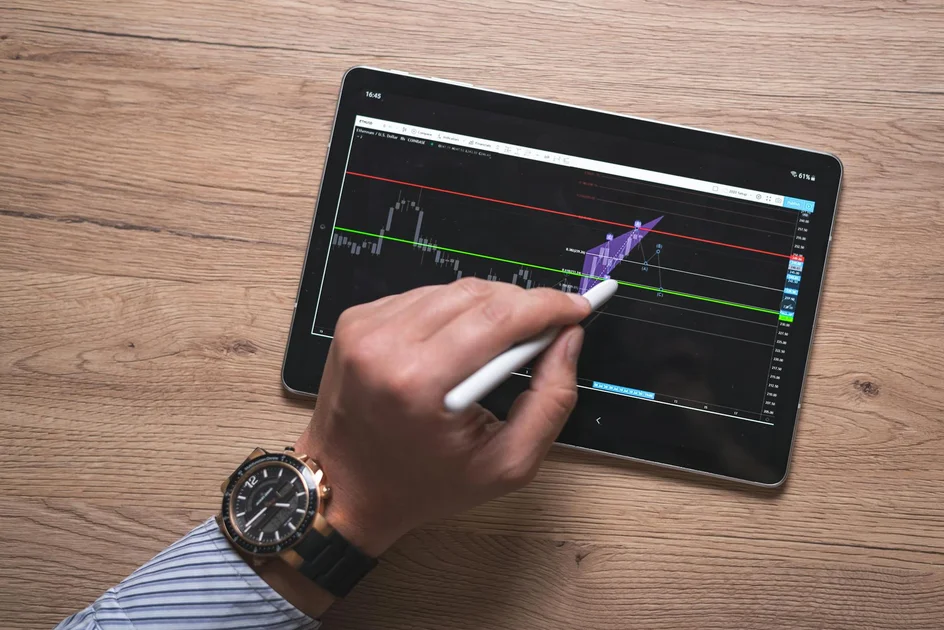
The hallmark of modern digital banking is the transition from batch processing to instant data synchronization. In 2026, users no longer wait for monthly paper statements to understand their financial health. Instead, integrated mobile applications pull data from credit cards, investment portfolios, and savings accounts to provide a holistic view of net worth in milliseconds. This transparency acts as a powerful psychological nudge, forcing users to confront their spending habits immediately rather than weeks after the fact. When a purchase is made, the app provides an instant breakdown of how that transaction impacts the overall monthly budget, effectively eliminating the mystery surrounding daily expenditures and helping individuals stay within their means throughout the fiscal cycle.
Furthermore, these platforms utilize predictive algorithms to alert users of upcoming bills or potential overdrafts long before they occur. By analyzing historical data, the software can project account balances into the future, enabling proactive financial decisions. If an account is trending toward a deficit, the system might suggest pausing a non-essential subscription or shifting funds from a high-yield savings account. This level of foresight transforms personal finance from a reactive activity into a strategic game, where users can anticipate and mitigate financial stress before it manifests. For those seeking deeper insights into these technologies, authoritative resources like Investopedia provide excellent breakdowns on how fintech integration impacts individual economic stability.
Automation and Smart Saving
Automation is the silent engine driving wealth accumulation in the current digital banking era. Modern banking suites now feature intelligent “round-up” programs and algorithmic savings rules that operate entirely in the background. By rounding up debit card purchases to the nearest dollar and diverting the difference into a high-interest account, banks allow users to build meaningful emergency funds without feeling the immediate pinch of a large deposit. In 2026, these automated systems have become even more sophisticated, using machine learning to identify “safe-to-save” amounts in a user’s checking account, moving funds automatically when the system detects a surplus that the user is unlikely to need for immediate monthly obligations.
Beyond simple savings, digital banking has streamlined the investment process. Users can now set up recurring fractional share purchases or contribute to diversified portfolios directly through their primary banking interface. This integration removes the friction of moving money between different financial institutions, which historically served as a significant barrier to consistent investing. By reducing the number of steps required to execute a financial plan, digital banks encourage a “set it and forget it” mentality that is critical for long-term wealth building. This seamless connectivity ensures that every dollar has a job, whether it is sitting in a liquid account or growing in a diversified market instrument, effectively optimizing individual asset allocation.
Reddit & Expert Community Consensus
“The shift toward digital-first banking has fundamentally changed how I view my paycheck. Instead of just seeing a balance, I see a breakdown of my ‘safe-to-spend’ money versus my ‘must-save’ money. It has removed the anxiety of checking my account because the app tells me exactly where I stand in relation to my goals for the month.” — User feedback from a popular personal finance subreddit. “Experts agree that the 2026 surge in AI-driven personal finance management (PFM) tools is reducing impulse spending by creating a digital friction layer that forces users to pause and categorize every transaction before they finalize their budgets.” — Industry analyst report on fintech trends.
Pros and Cons Analysis
Understanding the balance between convenience and complexity is vital for the modern consumer. While the benefits of digital finance are vast, users must remain cognizant of the potential risks associated with hyper-connectivity and data centralization.
| Feature | Pros | Cons |
|---|---|---|
| Real-time Tracking | Instant awareness of spending. | Can lead to “app fatigue” and anxiety. |
| Automated Savings | Builds wealth without effort. | Risk of over-drafting if settings are poor. |
| Data Integration | Unified view of all assets. | Increased exposure to security breaches. |
| AI Budgeting | Personalized, smart advice. | Over-reliance on algorithmic suggestions. |
Enhanced Security and Fraud Prevention
The Rise of Biometric Authentication
Security in digital banking has shifted from static passwords to dynamic, biometric-based protocols. In 2026, the standard for accessing financial data includes multi-factor authentication involving facial recognition, fingerprint scanning, and behavioral analytics. These systems monitor how a user typically interacts with their device—such as the speed at which they type or the angles at which they hold their phone—to detect unauthorized access attempts. If the AI detects an anomaly, it can instantly freeze transactions or require additional verification steps, providing a layer of protection that was physically impossible in the era of traditional brick-and-mortar banking operations.
Additionally, digital banks now offer users the ability to toggle card features on and off in real-time. If a card is misplaced, a user can disable it within seconds through the app, preventing fraudulent charges before they happen. This granular control gives consumers a sense of agency that traditional banks, with their cumbersome customer service lines, could never provide. Furthermore, by visiting sites like the Federal Trade Commission website, consumers can learn more about how to protect their digital identity against increasingly sophisticated phishing attempts, ensuring that their newfound financial convenience is backed by robust, modern security practices that evolve as quickly as the threats themselves.
Personalized Financial Coaching
Digital banking is replacing the generic advice of the past with hyper-personalized financial coaching. Using vast datasets, these platforms can compare a user’s spending patterns against similar demographic profiles, offering tailored suggestions on where they might be overpaying for utilities, insurance, or subscription services. This nudge-based coaching helps users optimize their monthly cash flow by highlighting actionable opportunities for savings. For instance, an app might suggest switching to a different insurance provider based on a user’s current risk profile and spending history, effectively turning the banking app into a comprehensive financial concierge that proactively seeks out value for its users.
This coaching extends to debt management as well. Algorithms can analyze high-interest debt and suggest specific repayment strategies, such as the debt avalanche or snowball methods, customized to the user’s specific income cycles. By visualizing the time and interest saved by making extra payments, users are more likely to stay motivated and adhere to their repayment plans. This transition from passive ledger-keeping to active financial mentorship is one of the most significant impacts of digital banking on personal finance, as it empowers individuals to take control of their economic destiny through data-driven insights rather than guesswork or outdated financial advice.
Key Takeaways
- Real-time financial tracking eliminates the uncertainty of manual accounting.
- Automated savings features facilitate wealth building through consistent, small contributions.
- Biometric security protocols provide superior protection compared to traditional banking methods.
- AI-driven coaching offers personalized insights to optimize spending and debt repayment.
- Digital banking centralizes all financial data, allowing for holistic net-worth management.
- The shift requires users to remain vigilant about data privacy and app permissions.
Frequently Asked Questions
How secure is digital banking in 2026?
Digital banking is exceptionally secure due to advanced multi-factor authentication, biometric verification, and real-time behavioral monitoring that flags suspicious activity before it impacts your balance.
Can I trust AI to manage my budget?
AI acts as a powerful tool to identify patterns and suggest efficiencies, but the final decision-making power always remains with you, ensuring you stay in control of your financial goals.
Will digital banking replace physical banks?
While physical branches still serve niche needs, the vast majority of daily financial management has migrated to digital platforms, rendering traditional branches largely redundant for routine transactions.
How do I start optimizing my finances digitally?
Begin by consolidating your accounts into a reputable, regulated financial app that allows for real-time tracking and automation features to see an immediate impact on your cash flow.
Is there a risk of over-automating my finances?
Yes, if you set automated transfers too aggressively, you risk overdrafting your account; always maintain a buffer and regularly review your automated rules to ensure they align with your current income.
Conclusion
The transformation of personal finance management through digital banking is a defining trend of 2026. By leveraging real-time data, automated savings, and AI-driven insights, consumers are now better equipped than ever to navigate complex economic environments. This technological shift has successfully reduced the friction associated with money management, allowing individuals to focus on long-term wealth creation rather than the daily grind of manual reconciliation. As these platforms continue to evolve, the integration of banking into our digital lives will only deepen, providing a foundation for more informed, secure, and prosperous financial futures for everyone involved in the modern economy.
Related Financial Guides:
- Essential Insurance Types Every Person Should Know
- Best Emergency Fund Strategy for Middle Class Households
- Top Safe Investments for Steady, Reliable Returns
About the Author: Larson
Certified Financial Consultant & Digital Wealth Strategist
With over a decade of experience in personal finance, wealth management, and digital banking optimization, Larson provides expert-backed, actionable strategies to help readers build long-term financial stability. His insights strictly adhere to ethical financial practices and industry standards.
