

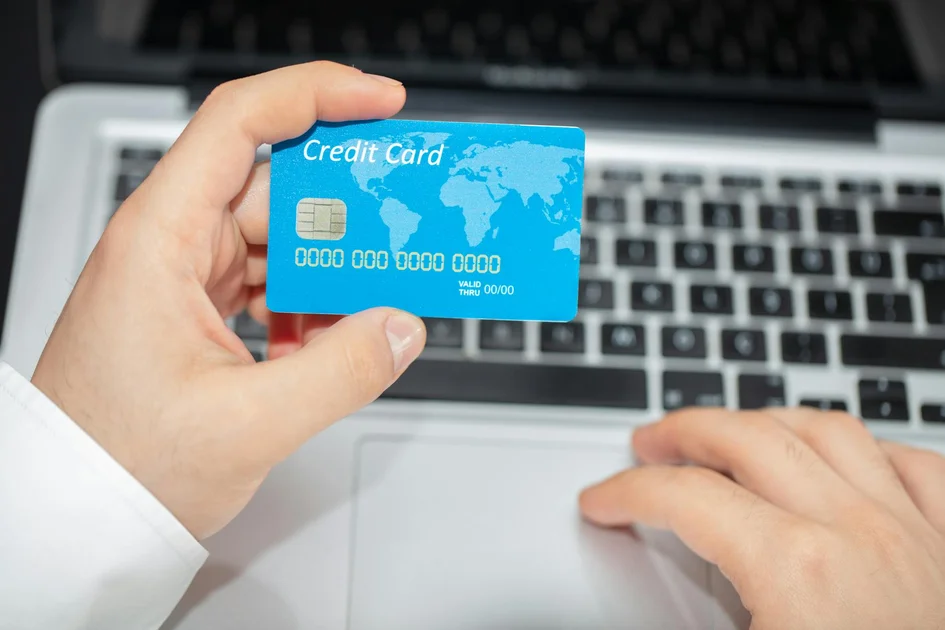

Practicing safe online banking is the cornerstone of personal financial security in 2026, as digital threats continue to evolve alongside our reliance on mobile and web-based financial tools. With the rise of sophisticated AI-driven phishing attempts and biometric spoofing, everyday users must adopt a proactive stance to protect their hard-earned assets. Whether you are managing your investments, paying monthly bills, or transferring funds to family, your digital footprint requires constant vigilance. By understanding the fundamental protocols of encryption, authentication, and network hygiene, you can significantly reduce the risk of unauthorized access. This guide explores the essential habits and technical configurations that every modern account holder should implement to ensure their financial data remains shielded from malicious actors in an increasingly interconnected global economy.
Securing Your Access Credentials
The first line of defense in your banking routine is the strength and uniqueness of your login credentials. Many users still rely on predictable passwords that are easily compromised through credential stuffing attacks, where hackers use leaked data from other platforms to test your banking portals. In 2026, you should utilize a reputable password manager to generate complex, long, and randomized strings for every single financial institution you interact with. Avoid using personal information like birthdays or pet names, as these are easily harvested from social media profiles. Ensuring that no two accounts share the same password is the most effective way to prevent a single breach from cascading across your entire financial ecosystem.
Beyond the password, Multi-Factor Authentication (MFA) is no longer optional; it is a mandatory requirement for any secure account. While SMS-based codes were once the standard, they are now considered vulnerable to SIM-swapping attacks. You should transition toward hardware security keys or authenticator apps that generate time-based one-time passwords (TOTP). These methods provide a cryptographic layer that remains effective even if your password is stolen. Visit the Federal Trade Commission website to learn more about the latest identity theft prevention trends. By combining a unique, complex password with a robust hardware-backed MFA token, you create a barrier that is exceptionally difficult for remote attackers to bypass, keeping your primary accounts locked down tightly.
Network Hygiene and Connection Safety
Never perform sensitive banking transactions over public Wi-Fi networks found in coffee shops, airports, or hotels. These open networks are often unencrypted, allowing sophisticated attackers to perform “man-in-the-middle” attacks where they intercept your data packets in real-time. If you find yourself in a situation where you must check your balance while traveling, use your smartphone’s cellular data connection instead. Cellular networks offer a higher degree of encryption and security compared to public hotspots. If you must use a public connection, ensure you are running a trusted Virtual Private Network (VPN) that masks your traffic, though even then, it is safer to wait until you are on a private, password-protected network at home or work.
Your home network setup also plays a vital role in your overall security posture. In 2026, many smart home devices can act as entry points for hackers if they are not properly segmented from your main computer or phone. Ensure your router is running the latest firmware updates and that you have changed the default administrative credentials immediately upon installation. Use WPA3 encryption for your wireless network, as it provides stronger protections against unauthorized access than older standards. By treating your home network as a secure perimeter, you minimize the risk of a compromised smart appliance acting as a gateway for bad actors to monitor your browsing habits or intercept your online banking sessions.
Identifying Phishing and Fraud Tactics
Recognizing AI-Driven Deception
Phishing has become significantly more dangerous due to the integration of generative AI, which allows scammers to craft hyper-personalized emails and text messages that appear to come directly from your bank. These communications often use official branding, correct terminology, and even imitate the tone of your bank’s customer service representatives. In 2026, you must exercise extreme caution whenever you receive an urgent request to verify your account or confirm a transaction. Banks will never ask you to provide your password or MFA code via email or text. If you receive a suspicious message, do not click the links; instead, navigate directly to your bank’s official URL or use their verified mobile application to check for notifications.
Another common tactic involves deepfake voice and video calls that mimic the identity of trusted bank employees or even family members. Always verify the identity of the person contacting you by calling the official number listed on the back of your debit card or the bank’s verified website. If a caller pressures you to move money to a “secure account” or warns of an immediate threat to your funds, hang up immediately. Legitimate financial institutions will never demand that you transfer money to protect it from fraud. By maintaining a healthy level of skepticism and verifying every request through official, established channels, you can avoid becoming a victim of these high-tech impersonation scams.
Comparison of Banking Security Features
Selecting the right financial platform involves understanding the security tools provided by your institution. The following table compares different security configurations that are standard in 2026.
| Security Feature | Traditional Bank | Digital-Only Bank | Notes |
|---|---|---|---|
| Hardware MFA | Widely Supported | Integrated | Most secure method. |
| Biometric Login | Standard | Standard | Uses FaceID or Fingerprint. |
| Transaction Alerts | Real-time Push | Real-time Push | Crucial for fraud detection. |
| Virtual Cards | Limited | Common | Great for online shopping. |
| Customer Support | Branch & Phone | In-App Chat | Varies by preference. |
| Encryption Level | Banking Grade | Banking Grade | All use AES-256. |
Pros and Cons of Online Banking
The transition to digital-first banking offers unparalleled convenience but requires a shift in how we handle personal responsibility. On the positive side, online banking allows for instant oversight of your financial health, providing real-time data that helps with budgeting and expense tracking. You can move money instantly, pay bills with a single click, and automate savings goals, all while avoiding the need to visit physical branches. These efficiencies are supported by robust, industry-standard encryption protocols that keep your data safe. Furthermore, digital platforms often offer better interest rates and lower fees due to the reduced overhead of maintaining physical infrastructure, making them a financially sound choice for the modern, tech-savvy consumer.
However, the drawbacks are equally significant if proper practices are not followed. The primary disadvantage is the increased attack surface, as your accounts are accessible from anywhere in the world via the internet. If you fail to use MFA or fall for a phishing scam, your funds are at a higher risk of being drained quickly. Additionally, digital-only banks may lack the personalized human interaction found at local branches, which can be frustrating when dealing with complex fraud disputes or account lockouts. You must also be technically proficient enough to manage your own software updates and device security, as the bank cannot protect you from vulnerabilities existing on your personal phone or computer.
Key Takeaways
- Utilize a password manager to ensure every account has a unique, complex login.
- Enable multi-factor authentication using hardware keys or authenticator apps, not SMS.
- Avoid public Wi-Fi for banking; always use cellular data or a trusted VPN.
- Never click links in emails or texts that demand urgent action regarding your account.
- Monitor your transaction alerts daily to spot unauthorized activity immediately.
- Regularly update your device operating systems to patch security vulnerabilities.
Frequently Asked Questions
What should I do if I suspect my banking account is compromised?
Immediately contact your bank’s fraud department using the official phone number on their website. Change your password, freeze your cards, and review your recent transaction history for any unauthorized activity.
Are mobile banking apps safer than browser-based banking?
Generally, yes. Mobile apps are sandboxed and often utilize device-level biometrics, which adds an extra layer of security that is harder to phish than a standard browser login page.
Should I use a VPN for all my online banking activities?
While a VPN adds a layer of encryption, it is most important when using untrusted networks. On your secure home network, it is less critical but still a good privacy practice.
How often should I change my banking password?
If you use a strong, unique password managed by a secure tool, you do not need to change it frequently. Change it immediately if you suspect a breach or if there is a known security leak.
Can I trust my phone’s biometric login for banking?
Yes, modern biometric authentication is highly secure and is processed locally on your device’s secure enclave, meaning your actual fingerprint or face data is never sent to the bank.
Conclusion
Safe online banking in 2026 is an ongoing process of vigilance, technological awareness, and disciplined habits. By leveraging modern security features like hardware-backed MFA, utilizing password managers, and maintaining a skeptical approach to unsolicited communications, you can confidently manage your finances in a digital world. While the threats are constantly evolving, the tools available to protect your assets are more powerful than ever before. Remember that security is not a one-time setup but a continuous commitment to best practices. Stay informed, keep your devices updated, and always verify before you click. By taking these proactive steps, you ensure that your financial future remains secure against the challenges of the modern digital landscape.
Disclaimer: The information provided in this article is for educational and informational purposes only and does not constitute financial advice. Please consult with a certified financial professional before making any financial decisions.
Related Financial Guides:
- How to Choose the Right Credit Card for Your Spending Habits
- Long-Term Investment Strategies for Beginners: Your Guide to Building Lasting Wealth
- Best Personal Finance Planning Tips for Beginners
About the Author: Larson
Certified Financial Consultant & Digital Wealth Strategist
With over a decade of experience in personal finance, wealth management, and digital banking optimization, Larson provides expert-backed, actionable strategies to help readers build long-term financial stability. His insights strictly adhere to ethical financial practices and industry standards.
