

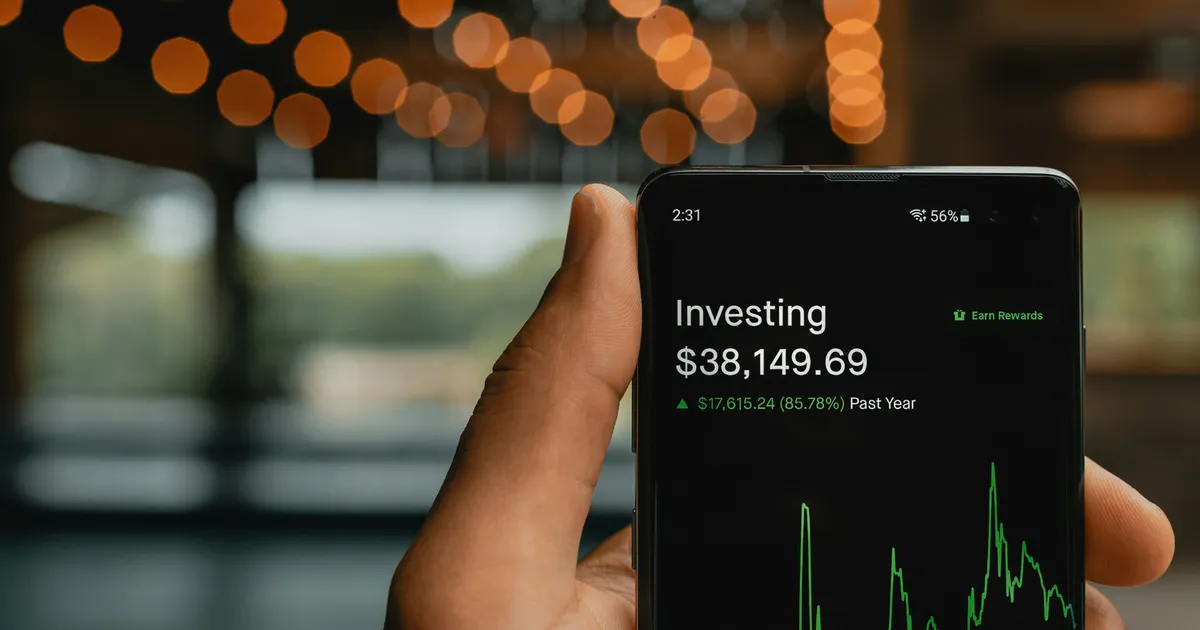

For years, I heard the myth repeated like an unbreakable mantra: “You need a fortune to invest.” It’s a belief that paralyzes countless aspiring investors, trapping them in a cycle of waiting for that elusive “big break” before they can even consider the stock market. But let me tell you, from my own journey and years of observing market trends, that simply isn’t true. The reality in 2026 is that you absolutely can and should learn how to start investing with a small amount, leveraging powerful tools and strategies that were once only available to the wealthy. It’s about getting started, not being perfect.
Table of Contents
- What Are Dividend Stocks? A Beginner’s Guide to Building Passive Wealth
- Dollar-Cost Averaging Explained: How to Minimize Market Timing Risks
- How to Start Investing in Index Funds for Long-Term Compound Growth
- How to Diversify Investments During Market Uncertainty
- Safe Long Term Investment Options for First Time Investors
Demystifying the “Small Amount” Barrier
Many people assume “investing” means buying whole shares of expensive stocks like Google or Amazon, which can cost hundreds or even thousands of dollars per share. This misconception creates an artificial barrier, making the whole idea feel out of reach. My advice, honed over a decade in this field, is to shed that outdated thinking. The true power of investing isn’t in the size of your initial capital, but in the consistency of your contributions and the magic of time.
Think of it less as a sprint and more like planting a sapling. You don’t need a mature oak tree to begin; a tiny seed will suffice. What matters is giving it consistent water and sunlight. Similarly, even $5, $10, or $20 a week, funneled into smart investments, can grow into a substantial sum over decades. It’s about building a habit, understanding that every single dollar you invest today has the potential to multiply, rather than stagnate in a low-interest savings account.
The Power of Micro-Investing Apps
One of the most revolutionary developments for those wondering how to start investing with small amount has been the rise of micro-investing platforms. These apps have democratized access to the stock market, allowing individuals to invest spare change or set up recurring small deposits. They typically work by rounding up your everyday purchases to the nearest dollar and investing the difference, or by letting you invest as little as $1 at a time.
What makes these apps particularly powerful is their ability to enable fractional share ownership. This means you don’t need to buy an entire share of a company; you can buy a tiny piece of it. So, if a share of your favorite tech company costs $1,000, you could simply invest $10 and own 1% of that share. This removes the psychological and financial hurdle of needing large sums, making it incredibly easy to diversify your portfolio across various companies, even with minimal capital.
Diversification, Even on a Budget
Diversification is a cornerstone of smart investing, often summarized by the adage “don’t put all your eggs in one basket.” However, for someone with a small budget, buying individual shares of many different companies to achieve true diversification can seem impossible. This is where exchange-traded funds (ETFs) and mutual funds become incredibly valuable, acting as pre-packaged baskets of investments.
These funds pool money from many investors to buy a wide array of stocks, bonds, or other assets. When you invest in an ETF or mutual fund, you instantly gain exposure to dozens, hundreds, or even thousands of underlying securities. This means your small investment is automatically spread across a broad market, significantly reducing the risk associated with any single company performing poorly. It’s an efficient and cost-effective way to diversify right from your first dollar.
Understanding Index Funds
Among the various types of ETFs and mutual funds, index funds stand out as particularly excellent choices for someone learning how to start investing with small amount. An index fund is a type of fund whose portfolio is constructed to match or track the components of a market index, such as the S&P 500. This passive approach means lower management fees compared to actively managed funds, which can eat into your returns over time. By investing in an S&P 500 index fund, for example, you are essentially investing in the 500 largest U.S. companies, gaining broad market exposure with minimal effort and cost. For a deeper dive into how these work, Investopedia offers excellent resources on understanding index funds.
The Magic of Compound Interest
If there’s one concept that truly underpins the wisdom of starting small and starting early, it’s compound interest. Often called the “eighth wonder of the world,” compound interest is the process where the interest you earn also starts earning interest. It’s not just about earning returns on your initial investment; it’s about earning returns on your returns, creating an exponential growth effect over time.
Imagine investing just $50 a month from age 25. By age 65, assuming an average annual return of 7% (historically conservative for diversified equity portfolios), your initial $24,000 invested would have grown to over $120,000. That’s the power of compounding at work, turning modest, consistent contributions into significant wealth. The key takeaway here is that time is your greatest asset; the longer your money has to compound, the more dramatic the results will be.
Practical Steps and Mindset for 2026
So, what are the actionable steps you can take today, in 2026, to begin your investing journey with a small amount? First, choose a suitable platform. Research reputable micro-investing apps or brokerages that offer fractional shares and low fees. Many platforms now allow you to set up recurring investments, automatically pulling a set amount from your bank account each week or month. This automation is crucial, as it removes the psychological barrier of manually deciding to invest, turning it into a consistent, effortless habit.
Second, cultivate a long-term mindset. Investing isn’t a get-rich-quick scheme; it’s a marathon. Market fluctuations are inevitable, and you’ll see your portfolio go up and down. The expert advice I always give is to resist the urge to panic sell during downturns. Instead, view dips as opportunities to buy more shares at a lower price. Continuous learning is also vital; resources like those from FINRA for investors can provide invaluable education to help you stay informed and confident in your decisions.
Key Takeaways
- Start Small, Start Now: Don’t wait for a large sum. Even $5 or $10 consistently invested can build substantial wealth over time due to the power of compounding.
- Leverage Modern Tools: Micro-investing apps and platforms offering fractional shares have democratized investing, making it accessible to virtually anyone with any budget.
- Embrace Diversification via Funds: For small amounts, ETFs and index funds are ideal for instant diversification across hundreds of companies, reducing risk and simplifying your portfolio management.
- Prioritize Long-Term Consistency: The magic of compound interest requires time and regular contributions. Automate your investments and commit to a long-term strategy, ignoring short-term market noise.
Frequently Asked Questions
Is it ever too late to start investing with a small amount?
Absolutely not. While starting early offers the most significant advantages due to compounding, the best time to start investing is always now. Even a few years of consistent contributions, no matter how small, can make a meaningful difference to your financial future compared to not investing at all.
How much money should I start investing with?
You should start with an amount that you are comfortable with and can consistently afford to invest without impacting your essential living expenses or emergency savings. This could be as little as $1 a day, $20 a week, or $50 a month. The consistency is far more important than the initial lump sum.
Are micro-investing apps safe for my money?
Reputable micro-investing apps are generally very safe. They are typically regulated financial institutions and offer protection for your investments, often through organizations like the Securities Investor Protection Corporation (SIPC) in the U.S. Always check for proper regulatory compliance and security features before committing your funds.
What about taxes on small investments?
Any profits you make from investments, regardless of the amount, are generally subject to capital gains taxes. The specific rules depend on how long you held the investment (short-term vs. long-term). It’s crucial to keep good records of your transactions and consult with a tax professional, especially as your portfolio grows, to understand your obligations.
Conclusion
The journey of investing doesn’t have to begin with a giant leap; it can start with a series of small, consistent steps. My hope is that you now feel empowered to take those first steps, understanding that the barrier to entry for investing has never been lower than it is in 2026. Forget the myths, embrace the tools, and let your small amounts begin their powerful journey of growth. Your future self will thank you for starting today.
Disclaimer: The information provided in this article is for educational and informational purposes only and does not constitute financial advice. Please consult with a certified financial professional before making any financial decisions.
Related Financial Guides:
- Daily Budgeting Tips to Save Money Fast
- High-Yield Savings vs. Traditional Savings Accounts: A Beginner’s Guide to Choosing the Right One
- How to Build an Emergency Fund for Unexpected Home and Vehicle Repairs
About the Author: Larson
Certified Financial Consultant & Digital Wealth Strategist
With over a decade of experience in personal finance, wealth management, and digital banking optimization, Larson provides expert-backed, actionable strategies to help readers build long-term financial stability. His insights strictly adhere to ethical financial practices and industry standards.
