


Navigating the aftermath of an unexpected event, be it a fender bender, a burst pipe, or a natural disaster, can feel overwhelming. I recall a time when my own roof sustained hail damage, and the sheer thought of dealing with insurance paperwork made my head spin. It’s a common misconception that the moment you pay your premium, your insurer is automatically on your side. While they are, ultimately, there to fulfill their contractual obligations, the onus is often on you, the policyholder, to meticulously follow the insurance claim process correctly. Understanding each step is not just about getting compensated; it’s about securing the peace of mind you paid for, ensuring you don’t leave money on the table, and avoiding unnecessary delays or even denials in 2026.
Table of Contents
- What Does Comprehensive Auto Insurance Cover? A Complete Guide to Non-Collision Damages
- Term Life vs. Whole Life Insurance: Key Differences Explained
- High-Deductible vs. Low-Deductible Health Plans: How to Choose the Right Coverage
- Affordable Insurance Made Easy: Your Guide to Smart Savings
- How to Compare Insurance Plans Effectively: Your Ultimate Guide
Immediate Actions Post-Incident
The very first moments after an incident are crucial, setting the stage for a smooth insurance claim process. Your immediate priority should always be safety: ensure everyone is out of harm’s way and secure the area if possible. For instance, if a pipe bursts, shut off the main water supply; if there’s a car accident, move to a safe location. Document everything you can right away with photos and videos, capturing the scene before any clean-up or repairs begin. This visual evidence will be invaluable later, providing an objective record of the damage as it occurred.
Beyond safety and initial documentation, it’s vital to take reasonable steps to prevent further damage. This might involve covering a broken window with plywood, tarping a damaged roof, or salvaging items that can be protected from water. Keep detailed records of any temporary repairs, including receipts for materials, as these costs are often reimbursable under your policy. Failing to mitigate further damage could potentially reduce your final settlement, as insurers expect policyholders to act responsibly in protecting their property.
Notifying Your Insurer Promptly
Once you’ve ensured safety and taken initial mitigation steps, your next move is to formally notify your insurance company. Many policies stipulate a timeframe within which claims must be reported, so acting quickly is always in your best interest. Have your policy number handy and be prepared to provide a concise, factual account of what happened. Avoid speculating or admitting fault during this initial call; simply state the facts as you know them. This phone call formally opens your claim, and you’ll typically receive a claim number, which you should keep meticulously organized.
During this notification, ask about the specific documentation they will require and the timeline for the next steps in your insurance claim process. Clarify whether they will assign an adjuster and when you can expect to hear from them. It’s also wise to inquire about any emergency services or contractors they recommend or require you to use. Being proactive with your questions can help you manage your expectations and prevent misunderstandings down the line, ensuring you’re well-informed for whatever comes next.
Understanding Your Policy’s Coverage
Before you even dial your insurer, take a moment to review your insurance policy. This might sound tedious, but it’s a non-negotiable step. Your policy document outlines exactly what is covered, what isn’t, your deductibles, and any specific conditions or exclusions that apply to your situation. Understanding these details empowers you during your conversations with the insurer and helps you anticipate potential issues. It’s your contract, and knowing its terms puts you in a much stronger position to advocate for yourself and ensure you receive all entitled benefits, especially with the evolving policies we expect by 2026.
Thorough Documentation is Key
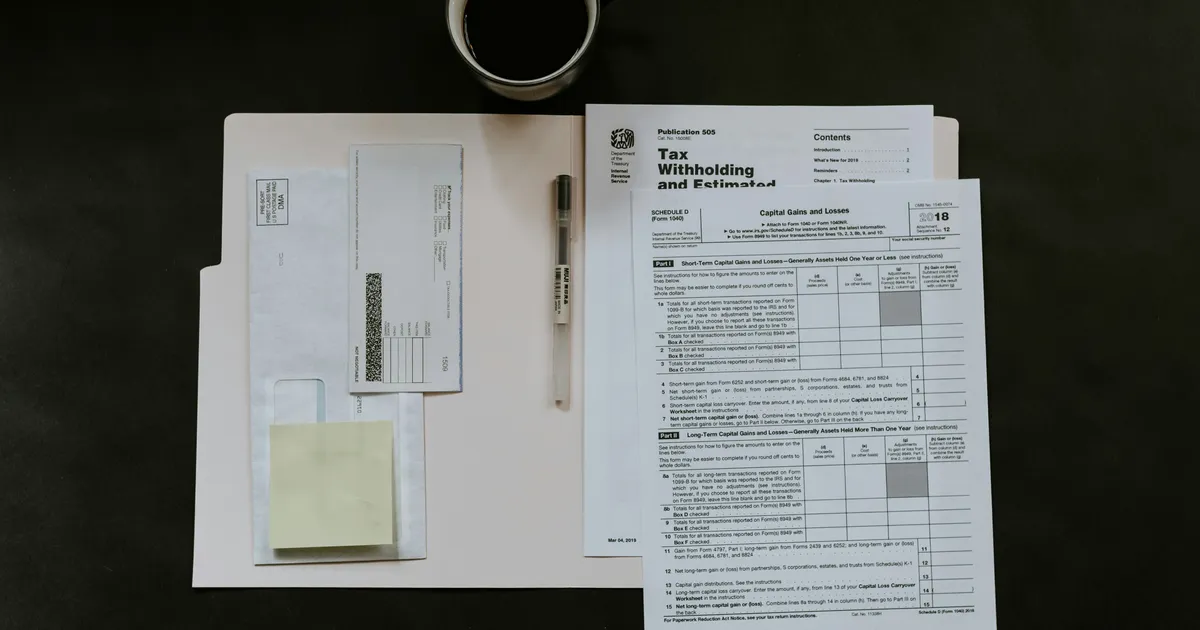
I cannot stress enough the importance of comprehensive documentation throughout the entire insurance claim process. This isn’t just about initial photos; it’s an ongoing effort. Maintain a dedicated folder, physical or digital, for all correspondence, including emails, letters, and notes from phone calls (date, time, person spoken to, what was discussed). Keep copies of all repair estimates, receipts for temporary housing, and any other expenses directly related to the incident. The more detailed your records, the smoother the process will be, leaving less room for dispute.
Beyond general correspondence, specific types of damage require specific documentation. For property damage, photograph every affected item from multiple angles. Create a detailed inventory of damaged or destroyed possessions, including purchase dates, estimated values, and, if possible, original receipts. For personal injury claims, gather medical reports, bills, and any documentation of lost wages. This thoroughness provides undeniable evidence to support your claim, transforming vague statements into concrete facts that an adjuster can readily evaluate.
Navigating the Adjuster’s Visit
After you’ve filed your claim, an insurance adjuster will typically be assigned to assess the damage. This person is the insurer’s representative, tasked with evaluating your claim and determining the extent of coverage. Before their visit, prepare all your documentation: photos, videos, repair estimates, and your inventory list. Be present during their inspection, point out all damage, and ask questions. It’s an opportunity to ensure they see everything you’ve documented and understand your perspective on the loss.
While the adjuster is there to assess, remember that you are also an active participant. Don’t feel rushed or intimidated. If you disagree with their initial assessment or feel something has been overlooked, voice your concerns politely but firmly. It’s perfectly acceptable to ask for clarification on their findings or to provide additional evidence you’ve gathered. The adjuster’s initial report is a critical component of your claim, so ensuring its accuracy from the outset can significantly impact your final settlement.
Reviewing the Settlement Offer
Once the adjuster has completed their assessment, your insurer will present a settlement offer. This is a critical juncture in the insurance claim process where you must exercise diligence. Do not accept the first offer without thoroughly reviewing it against your own documentation, repair estimates, and understanding of your policy. Compare the proposed payout to your actual losses and repair costs. If the offer seems low, it’s your right to negotiate. Be prepared to back up your counter-offer with your meticulous records and additional estimates from reputable contractors.
If you find yourself significantly disagreeing with the insurer’s offer or feel overwhelmed by the negotiation process, consider seeking professional help. A public adjuster, who works solely for you, or an attorney specializing in insurance claims can provide invaluable assistance. They understand the nuances of policy language and negotiation tactics, helping you secure a fair settlement. For more insights on consumer rights, resources like the National Association of Insurance Commissioners (NAIC) website can be incredibly helpful in understanding industry standards and your protections as a policyholder.
Key Takeaways
- Act Swiftly and Safely: Prioritize immediate safety and take prompt, reasonable steps to prevent further damage. Document everything visually right after the incident to establish a clear timeline and scope of loss.
- Document Everything Meticulously: Keep an organized record of all communications, photos, videos, repair estimates, receipts, and an inventory of damaged items. Comprehensive documentation is your strongest advocate in the claims process.
- Understand Your Policy: Before engaging deeply with your insurer, review your policy details to know your coverage limits, deductibles, and any specific exclusions. This knowledge empowers you to understand your entitlements and negotiate effectively.
- Don’t Hesitate to Negotiate or Seek Help: The initial settlement offer isn’t always the final one. If you believe the offer is insufficient, be prepared to negotiate with supporting evidence. Consider consulting a public adjuster or attorney if negotiations become challenging or complex.
Frequently Asked Questions
How long does the typical insurance claim process take?
The duration of an insurance claim can vary widely depending on the complexity of the damage, the type of claim, and your state’s regulations. Simple claims might resolve in a few weeks, while complex property damage or personal injury claims can take months, or even over a year, especially if negotiations are involved or multiple parties are impacted. Prompt documentation and communication on your part can often help expedite the process.
What should I do if my insurance claim is denied?
If your claim is denied, first, request a detailed explanation in writing from your insurer, outlining the specific reasons for denial. Review this against your policy and documentation. You have the right to appeal the decision, providing any additional evidence or clarification. If the appeal is unsuccessful, you might consider filing a complaint with your state’s Department of Insurance or consulting an attorney specializing in insurance law.
Can I start repairs before the adjuster visits?
Generally, it’s best to wait for the adjuster to assess the damage before starting permanent repairs. However, you should always take reasonable steps to prevent further damage, such as boarding up broken windows or tarping a roof. Keep all receipts for these temporary measures. If delaying permanent repairs poses a safety risk or could lead to more extensive damage, contact your insurer immediately to discuss your options and get their approval to proceed.
Will filing a claim increase my insurance premiums?
Filing a claim can potentially impact your insurance premiums, though it’s not a certainty. Factors such as the type of claim (e.g., at-fault accident vs. natural disaster), the claim amount, your claims history, and your insurer’s specific policies all play a role. Some insurers offer “accident forgiveness” programs, and often, a single claim for a non-at-fault incident might not significantly affect your rates, especially if it’s your first in a long time.
Conclusion
Navigating the insurance claim process can feel like a daunting journey, but with preparedness and a clear understanding of each step, you can confidently steer towards a fair resolution. Remember, your policy is a contract designed to protect you financially in times of need. By being proactive, meticulously documenting every detail, and advocating for your rights, you transform what could be a stressful ordeal into a manageable path toward recovery. The power to ensure a smooth and successful claim lies largely in your hands.
Disclaimer: The information provided in this article is for educational and informational purposes only and does not constitute financial advice. Please consult with a certified financial professional before making any financial decisions.
Related Financial Guides:
- How to Choose the Best Credit Card Wisely: Your Ultimate Guide
- Safe Long Term Investment Options for First Time Investors
- High-Yield Savings vs. Traditional Savings Accounts: A Beginner’s Guide to Choosing the Right One
About the Author: Larson
Certified Financial Consultant & Digital Wealth Strategist
With over a decade of experience in personal finance, wealth management, and digital banking optimization, Larson provides expert-backed, actionable strategies to help readers build long-term financial stability. His insights strictly adhere to ethical financial practices and industry standards.
