

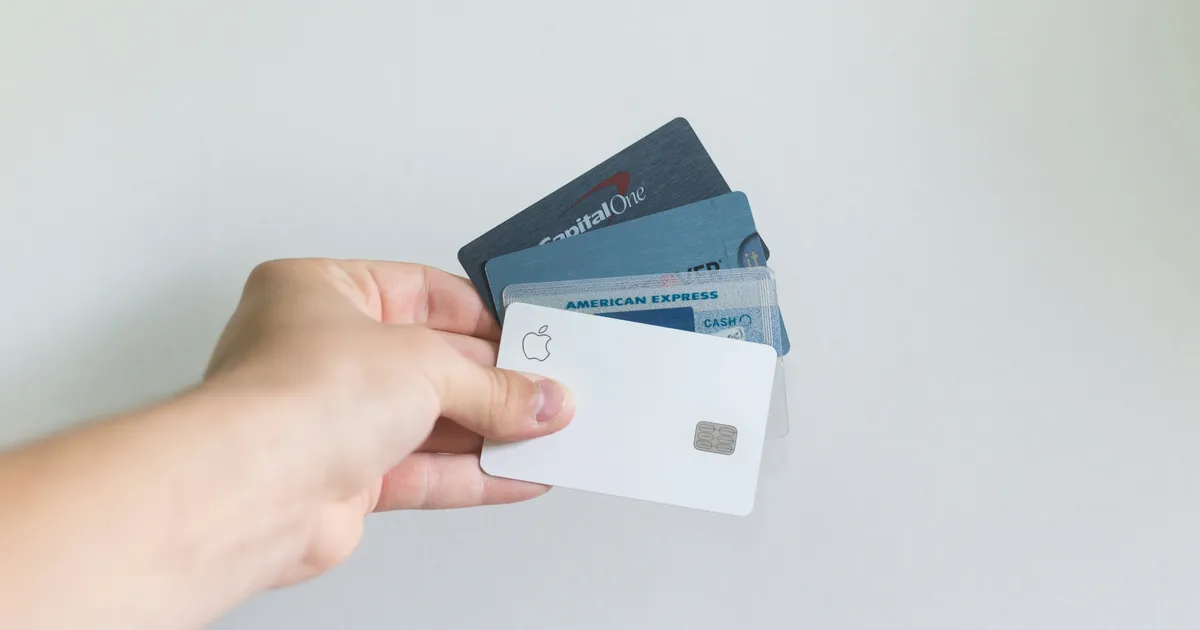

Mastering your credit card utilization ratio is one of the most effective strategies to boost your credit score and secure your financial future in 2026. This metric, which represents the percentage of your total available credit that you are currently using, accounts for 30% of your FICO score calculation. Many consumers mistakenly believe that simply paying their bills on time is sufficient for a stellar credit profile, but high balances relative to limits can silently damage your rating even if you never miss a payment. By understanding how lenders view this revolving debt, you can strategically manage your balances to maximize your borrowing power. This guide provides an expert breakdown of how to optimize your utilization to achieve a top-tier credit score efficiently.
Table of Contents
- How to Check Your Annual Credit Report for Errors Without Affecting Your Score
- Secured vs. Unsecured Loans: A Beginner’s Guide to the Key Differences
- Smart Debt Repayment Methods for Salaried Individuals
- How to Compare Credit Card Annual Fee Benefits Without Overpaying
- Personal Loan Mistakes First Time Borrowers Should Avoid
Understanding Utilization Mechanics
Your credit utilization ratio is calculated by dividing your total revolving debt by your total available credit limits. For example, if you have a combined credit limit of 10,000 dollars across all your cards and a current balance of 3,000 dollars, your utilization stands at 30 percent. Credit bureaus typically aggregate this information to determine your overall risk profile. A lower percentage suggests that you are managing your credit responsibly and are not overly dependent on borrowed funds. Lenders prefer to see low utilization because it indicates that you are not stretching your finances thin, which is a key indicator of creditworthiness in 2026.
It is important to note that this ratio is calculated both per card and in the aggregate. If you have one card with a very high balance and others with zero balances, your total utilization might look acceptable, but an individual card nearing its limit can still trigger a score drop. Financial experts often recommend keeping individual card balances below 30 percent, with 10 percent or lower being the “sweet spot” for those aiming for an excellent credit score. By keeping these balances low, you demonstrate to creditors that you have access to credit but do not need to rely on it for daily survival, which is a hallmark of a high-scoring borrower.
The Impact on Credit Scoring
The FICO scoring model places significant weight on your utilization because it serves as a real-time snapshot of your fiscal discipline. Unlike payment history, which takes years to build, utilization can fluctuate monthly based on your statement closing dates. This makes it a volatile but powerful tool for rapid score improvement. If you find yourself in a situation where your credit score has stagnated, adjusting your spending patterns or pay-off dates can often yield positive results within a single billing cycle. For deeper insights into how these models work, you can review the official FICO educational resources to understand the nuances of credit scoring.
The 30 Percent Rule Explained
The 30 percent threshold is widely cited as the maximum you should aim for, but it is not a target to strive for if you want an elite score. While avoiding high utilization is essential, aiming for a utilization rate of 1 to 3 percent is often better for those chasing a score above 800. This minimal usage proves that you are active with your credit while ensuring the balance is low enough to be paid off immediately. Always ensure that at least one card reports a small balance, as reporting zero utilization across all cards can sometimes result in a “no score” or a lower score due to lack of recent activity.
Strategies for Rapid Reduction
If your current utilization is high, the most direct way to boost your score is to pay down your balances before the statement closing date. Many people assume they only need to pay by the due date, but the balance reported to the credit bureaus is usually the balance present on your statement closing date. By making a significant payment a few days before this date, you can ensure that a lower balance is reported to the credit agencies. This strategy effectively lowers your utilization ratio in the eyes of the bureaus, often resulting in a score increase in the following month’s report.
Another highly effective method involves requesting a credit limit increase from your current card issuers. If your income has increased or you have maintained a positive relationship with your bank, they may be willing to raise your limit without a hard inquiry. Because the utilization formula uses your total credit limit as the denominator, increasing that number while keeping your spending constant automatically lowers your ratio. This is a powerful, low-effort way to improve your profile, provided you do not use the additional credit as an excuse to increase your spending habits further.
Comparison of Debt Management Tactics
Choosing the right strategy for your financial situation depends on your current liquidity and long-term goals. The following table compares common methods for managing credit utilization to help you decide which path aligns with your personal financial strategy.
| Strategy | Primary Benefit | Implementation Speed |
|---|---|---|
| Early Statement Payoff | Immediate lower reported balance | Fast (within 30 days) |
| Request Limit Increase | Lower utilization without paying debt | Moderate (requires approval) |
| Debt Consolidation | Simplifies payments and lowers interest | Slow (requires planning) |
| Opening New Accounts | Increases total credit limit | Moderate (affects average age) |
Monitoring Your Progress
Consistent monitoring is the only way to ensure your efforts are yielding the desired results. In 2026, there are many free tools and banking applications that provide monthly credit score updates. You should check your reports regularly to ensure that the balances reported by your lenders match your expectations. Discrepancies can occur, and if you notice that a high balance was reported incorrectly, you have the right to dispute the information with the major credit bureaus. Staying vigilant prevents errors from dragging down your score unnecessarily.
Furthermore, avoid closing old credit accounts even if you rarely use them. An old account contributes to the length of your credit history and provides a larger pool of available credit, which keeps your overall utilization ratio low. If you have a card with an annual fee that you no longer want, consider asking the issuer to “product change” it to a no-fee version instead of canceling it outright. Preserving your total credit limit is a foundational element of long-term credit health that many consumers overlook to their own detriment.
The Role of Credit Mix
While utilization is critical, it functions alongside other factors like your credit mix. Having a healthy balance of revolving credit, such as credit cards, and installment loans, like auto or student loans, demonstrates that you can handle different types of debt obligations. You can find more information about these categories on the Consumer Financial Protection Bureau website. Maintaining low utilization on your revolving accounts while successfully managing other credit types creates a synergistic effect that boosts your score more effectively than focusing on one area alone.
Remember that credit scoring is a long-term game. Do not be discouraged if a one-time purchase causes a temporary dip in your score. As long as you maintain your commitment to paying your balances down before the reporting date, your score will recover. Discipline is the most important factor in the world of personal finance, and mastering your utilization ratio is a clear sign that you are in control of your financial destiny. By keeping your ratios lean and your habits consistent, you will position yourself for better interest rates and more favorable loan terms in the future.
Key Takeaways
- Keep your total credit utilization ratio below 30 percent at all times for a healthy credit score.
- Aim for a utilization between 1 and 10 percent to maximize your potential FICO score.
- Pay your credit card balances before the statement closing date to ensure a lower balance is reported.
- Request periodic credit limit increases to lower your utilization ratio without changing your spending.
- Avoid closing old accounts to preserve your total available credit limit and credit history length.
Frequently Asked Questions
Does paying off my balance in full every month help my score?
Yes, paying in full is excellent for your financial health, but to get the best score, ensure your balance is low on the statement closing date so that a small, non-zero amount is reported to the bureaus.
Will requesting a limit increase hurt my credit score?
It depends on whether the issuer performs a hard inquiry. Many issuers now perform “soft” inquiries for limit increases, which do not impact your score, but you should ask your bank before proceeding.
Should I open new credit cards to increase my limits?
Opening new cards can lower your utilization, but it also triggers a hard inquiry and lowers your average account age, so it should be done sparingly and only if you have a specific goal in mind.
Does a zero balance on all cards hurt my credit score?
Sometimes, yes. If all your cards report a zero balance, the scoring model may not have enough recent data to calculate your activity, which can result in a slightly lower score than if you had a very small balance.
How long does it take for my score to improve after lowering utilization?
Credit scores typically update once a month when your creditors report to the bureaus. Once the lower balance is reported, you will often see a score increase within the next 30 to 45 days.
Conclusion
Managing your credit utilization ratio is a high-impact strategy that empowers you to take control of your financial narrative. By keeping your balances low, timing your payments strategically, and protecting your total credit limits, you can significantly enhance your credit score. These habits are not merely about numbers; they represent a disciplined approach to borrowing that will benefit your financial health for years to come. Start implementing these tactics today, remain patient, and watch as your creditworthiness grows, opening doors to better opportunities and greater financial freedom in the years ahead.
Disclaimer: The information provided in this article is for educational and informational purposes only and does not constitute financial advice. Please consult with a certified financial professional before making any financial decisions.
Related Financial Guides:
- What Does Comprehensive Auto Insurance Cover? A Complete Guide to Non-Collision Damages
- How to Save Money Fast: Practical Tips for Quick Results
- How to Start Freelancing for Beginners: Your Complete Step-by-Step Guide
About the Author: Larson
Certified Financial Consultant & Digital Wealth Strategist
With over a decade of experience in personal finance, wealth management, and digital banking optimization, Larson provides expert-backed, actionable strategies to help readers build long-term financial stability. His insights strictly adhere to ethical financial practices and industry standards.
