

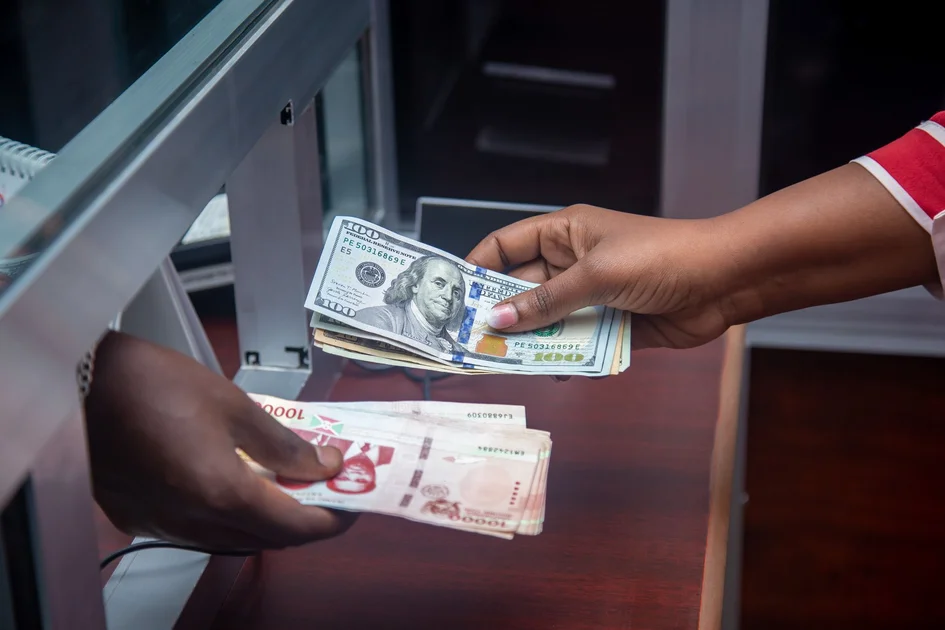

Navigating essential banking services everyone should understand is a fundamental pillar of personal finance in 2026. As digital ecosystems evolve and financial technologies become increasingly sophisticated, having a firm grasp of how your money is stored, moved, and protected is more critical than ever. Whether you are managing a basic checking account or exploring complex investment vehicles, understanding the core offerings of your financial institution allows you to maximize your liquidity and minimize unnecessary fees. By mastering these services, you empower yourself to make informed decisions that align with your long-term economic goals, ensuring that your capital works effectively for you rather than against you in an ever-changing global marketplace.
Core Account Types and Functions
The foundation of any financial journey begins with the selection of appropriate account types. Checking accounts serve as the primary hub for your daily transactions, offering high liquidity for debit card purchases, automated bill payments, and direct deposits. These accounts are designed for high-frequency usage, though they rarely offer competitive interest rates. It is essential to monitor these accounts regularly to track your spending habits and ensure that your balance remains sufficient to cover obligations, thereby avoiding costly overdraft penalties that can quickly erode your hard-earned savings over time.
Savings accounts, conversely, are structured to foster capital accumulation and provide a buffer for emergencies. In 2026, many high-yield savings accounts offer robust interest rates that help combat the erosive effects of inflation. By separating your emergency fund from your daily spending money, you create a psychological and practical barrier that prevents impulsive consumption. Financial authorities often recommend keeping three to six months of living expenses in a liquid savings vehicle. This strategic separation ensures that your long-term security is not compromised by the volatility of your monthly cash flow requirements.
Understanding Digital Wallets and Transfers
Modern banking extends well beyond physical branches, with digital wallets now serving as the primary interface for most consumers. Services such as peer-to-peer (P2P) transfers allow for instantaneous movement of funds, which has revolutionized how we split expenses and manage micro-transactions. When utilizing these digital tools, it is imperative to verify the security protocols enabled on your device, such as multi-factor authentication and biometric verification. Understanding the speed and limitations of these transfers—whether they utilize the ACH network or real-time payment rails—ensures you are never caught without access to your funds when a time-sensitive payment is required.
Pros and Cons Analysis
Evaluating the utility of traditional and modern banking requires a balanced perspective. Traditional banking institutions offer the benefit of physical infrastructure, which provides a sense of security and a point of contact for complex issues like mortgage applications or estate planning. However, these institutions often impose higher maintenance fees and offer lower interest rates on deposits. Digital-only banks, by contrast, frequently provide superior technology, higher yields, and lower overhead costs, making them highly attractive to the tech-savvy consumer. Yet, they lack the immediate face-to-face assistance that some users find essential for resolving intricate fraud disputes or account-related complications.
The trade-offs between accessibility and security represent a significant consideration for every account holder. While real-time digital access is undeniably convenient, it also increases the surface area for potential cyber-attacks and phishing attempts. Protecting your financial identity requires a proactive approach, including the regular monitoring of statements and the use of strong, unique passwords for every portal. Ultimately, the best strategy for 2026 involves a hybrid approach, leveraging the high-interest rates of online platforms while maintaining a relationship with a localized institution for services that require human intervention and physical documentation.
Cost & Pricing Breakdown
Managing the costs associated with banking services is vital for maintaining a healthy budget. Below is a breakdown of common fees and how they are typically structured within the industry.
| Service Type | Estimated Cost Range | Budgeting Tip |
|---|---|---|
| Monthly Maintenance | 0 to 25 dollars | Maintain minimum balance requirements. |
| Overdraft Fee | 20 to 35 dollars | Enable low-balance alerts via mobile app. |
| Wire Transfer | 15 to 45 dollars | Use free P2P apps for small amounts. |
| Out-of-Network ATM | 2 to 5 dollars | Use partner ATM networks exclusively. |
| Paper Statement Fee | 1 to 5 dollars | Opt into paperless digital statements. |
Credit and Lending Services
Credit products represent a double-edged sword that requires careful navigation. Understanding how credit cards, personal loans, and lines of credit function is essential for building a strong financial reputation. Your credit score, which is influenced by your utilization ratio and payment history, determines the interest rates you will be offered for major life purchases like homes or vehicles. Using credit cards responsibly—by paying the full statement balance every month—allows you to take advantage of reward programs and consumer protections without falling into the trap of high-interest debt that can cripple your financial health for years.
If you find yourself needing to borrow, it is crucial to research the Annual Percentage Rate (APR) and the total cost of credit over the life of the loan. In 2026, lenders are increasingly transparent, yet the onus remains on the borrower to understand the fine print regarding prepayment penalties and variable rate adjustments. By viewing credit as a tool to improve your financial position rather than a means to expand your purchasing power beyond your current income, you can successfully leverage banking services to build wealth and ensure long-term stability.
Security and Fraud Protection
In an era of sophisticated digital threats, security must be the top priority for every banking customer. Financial institutions implement various layers of protection, but the user is the final line of defense against unauthorized access. Always enable push notifications for transaction alerts so that you are notified immediately of any activity on your accounts. If you suspect your credentials have been compromised, contact your bank immediately to freeze your cards and reset your access keys. Resources such as the Consumer Financial Protection Bureau offer excellent guidance on how to report fraud and protect your rights as a consumer.
Furthermore, understanding the difference between various types of security is vital. FDIC insurance, for instance, provides a safety net that protects your deposits up to 250,000 dollars per ownership category. Knowing that your primary assets are insured provides peace of mind, but it does not replace the need for personal vigilance. Avoid accessing your banking portals on public Wi-Fi networks, and always ensure your mobile device’s operating system is updated to the latest version. By adopting a posture of constant awareness, you can enjoy the benefits of modern banking while minimizing the risks associated with the digital landscape.
Key Takeaways
- Maintain separate accounts for daily spending and long-term savings to improve fiscal discipline.
- Monitor your accounts weekly to catch errors or unauthorized transactions early.
- Always opt for paperless statements to reduce monthly maintenance fees and protect your data.
- Treat your credit score as a valuable asset by paying balances in full and on time.
- Leverage high-yield savings accounts to protect your emergency funds from inflation.
- Utilize mobile alerts to stay informed about your account balance in real-time.
Frequently Asked Questions
What is the benefit of a high-yield savings account?
A high-yield savings account offers a significantly higher interest rate than a standard savings account, allowing your money to grow faster while remaining accessible for emergency needs.
How can I avoid monthly banking fees?
Most banks waive monthly fees if you meet specific criteria, such as maintaining a minimum average daily balance or setting up a recurring monthly direct deposit.
Are digital-only banks as safe as traditional banks?
Yes, as long as the digital bank is FDIC-insured, your deposits are protected by the same federal regulations and insurance limits as those at traditional brick-and-mortar institutions.
What should I do if I notice an unauthorized transaction?
Immediately contact your bank’s fraud department to report the transaction, freeze your account, and issue a request for a new debit or credit card number.
Is a credit card necessary for building credit?
While not strictly necessary, responsible credit card use is one of the most effective and efficient ways to build a positive credit history and improve your score over time.
Conclusion
Mastering essential banking services is a journey that pays dividends throughout your life. By understanding the nuances of account types, the importance of security protocols, and the mechanics of credit, you position yourself to thrive in the complex economic environment of 2026. Financial literacy is not a one-time achievement but a continuous process of learning and adapting to new tools and regulations. Stay proactive in managing your accounts, keep a close watch on your spending, and always prioritize the security of your assets. With these fundamentals firmly in place, you can confidently navigate your financial future with both skill and security.
Disclaimer: The information provided in this article is for educational and informational purposes only and does not constitute financial advice. Please consult with a certified financial professional before making any financial decisions.
Related Financial Guides:
- Long-Term Investment Strategies for Beginners: Your Guide to Building Lasting Wealth
- Mobile Banking Safety Checklist for Senior Citizens
- 15 Easy Ways to Save Money Every Month
About the Author: Larson
Certified Financial Consultant & Digital Wealth Strategist
With over a decade of experience in personal finance, wealth management, and digital banking optimization, Larson provides expert-backed, actionable strategies to help readers build long-term financial stability. His insights strictly adhere to ethical financial practices and industry standards.
