

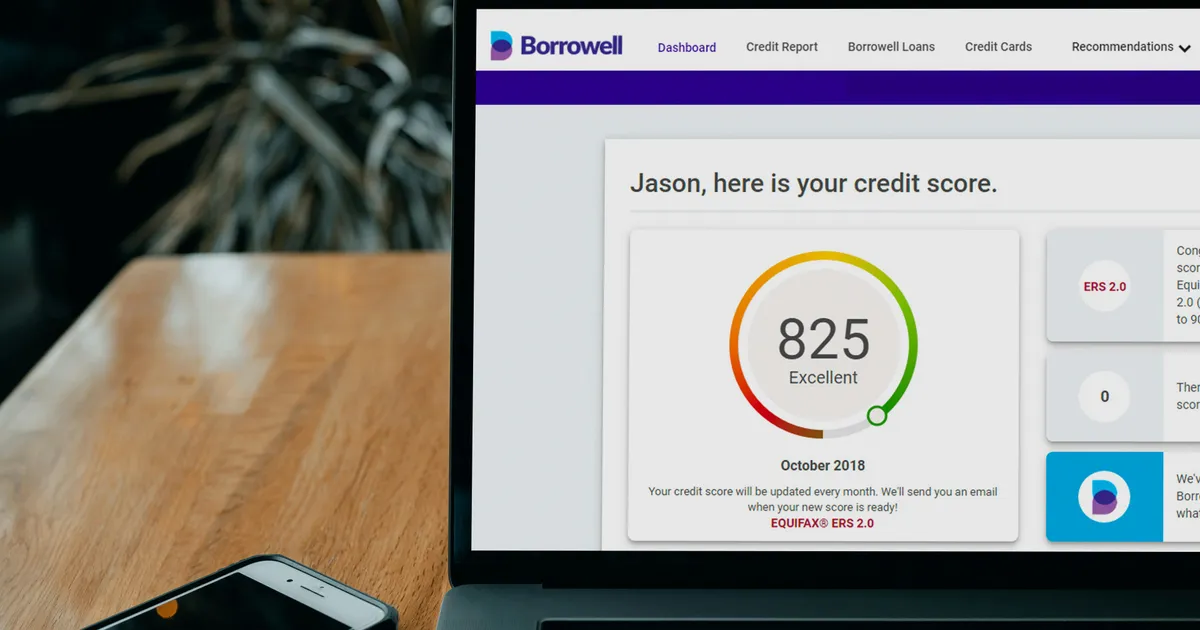

Learning how to check your annual credit report for errors without lowering your score is a fundamental skill for maintaining long-term financial health. Many consumers mistakenly believe that reviewing their own credit history triggers a hard inquiry, yet requesting your own report is considered a soft inquiry, which has zero impact on your creditworthiness. As we navigate the economic landscape of 2026, the prevalence of identity theft and clerical reporting mistakes makes regular monitoring more critical than ever. By accessing your data through official channels, you gain the power to spot unauthorized accounts, incorrect balances, or outdated negative information that could be artificially suppressing your borrowing power. Protecting your financial reputation requires vigilance, consistency, and a clear understanding of the protocols established by major credit bureaus to ensure your data remains accurate and representative of your actual fiscal history.
Table of Contents
- Secured vs. Unsecured Loans: A Beginner’s Guide to the Key Differences
- How to Use Credit Card Utilization to Boost Your Credit Score Fast
- Smart Debt Repayment Methods for Salaried Individuals
- How to Compare Credit Card Annual Fee Benefits Without Overpaying
- Personal Loan Mistakes First Time Borrowers Should Avoid
Understanding Inquiry Types
The distinction between hard and soft inquiries is the cornerstone of responsible credit management. When you request your own credit report from agencies like Equifax, Experian, or TransUnion, this action is classified as a soft inquiry. These checks are invisible to lenders and have no effect on your credit score, regardless of how often you perform them. This policy allows you to stay informed about your financial standing without fear of penalty.
Conversely, a hard inquiry occurs when a lender reviews your file as part of a formal application process for a loan or credit card. Multiple hard inquiries within a short timeframe can signal financial distress to creditors, potentially leading to a temporary dip in your score. Because self-monitoring is a soft inquiry, you can review your reports as frequently as you like throughout 2026 to ensure that all recorded data remains precise and up-to-date.
Accessing Official Reports
To obtain your reports safely, you should utilize the federally authorized portal at AnnualCreditReport.com. This site is the only source mandated by law to provide free credit reports from the three major national bureaus. By using this centralized platform, you avoid the risks associated with third-party phishing sites that may harvest personal information under the guise of offering free credit scores or monitoring services.
Once you are on the site, you will be asked to verify your identity by answering security questions based on your personal credit history. After successful verification, you can choose to view your reports from one, two, or all three bureaus simultaneously. It is highly recommended to request all three at once to compare data points, as lenders often report information to different agencies at varying intervals, leading to discrepancies that require your immediate attention.
Identifying Common Errors
Accuracy in your credit report is not guaranteed, and human error or data processing glitches can frequently result in misleading entries. Common mistakes include accounts that do not belong to you, payments marked as late when they were actually on time, and accounts that remain listed as open long after you have closed them. Even minor errors like a misspelled name or an incorrect address can sometimes lead to mixed files, where your data is erroneously combined with another individual’s information.
Categorizing Report Discrepancies
Discrepancies generally fall into three specific categories: personal information, account status, and negative items. Personal information errors involve incorrect employment history or contact details, which are relatively easy to fix but can be used by fraudsters to bypass security protocols. Account status errors are more severe, as they involve incorrect balances or status flags that directly impact your credit utilization ratio. Negative items, such as erroneous collections or bankruptcies, are the most damaging, as they represent significant derogatory marks that can prevent you from obtaining competitive interest rates on mortgages or automotive loans.
Disputing Incorrect Information
If you identify an error, you must initiate a formal dispute with the specific credit bureau that is reporting the incorrect data. Each bureau provides an online dispute portal, which is typically the fastest way to submit your evidence. You will need to provide documentation to support your claim, such as bank statements, payment receipts, or a letter from a creditor confirming the account is closed or paid in full. Keep all communication regarding your dispute in a secure folder for your records.
Under the Fair Credit Reporting Act (FCRA), as referenced by the Federal Trade Commission, bureaus are required to investigate your claim within 30 to 45 days. During this period, the disputed information must be marked as “in dispute” on your report. If the bureau cannot verify the information, they are legally obligated to remove or correct the inaccurate entry. This process is highly effective when you have clear, documented proof of the discrepancy.
Monitoring for Identity Theft
Beyond simple clerical errors, your credit report serves as the primary early warning system for identity theft. Unauthorized inquiries from financial institutions you have never contacted, or new accounts appearing in your name, are red flags indicating that a criminal may be using your personal information. If you suspect fraud, you should place a fraud alert or a credit freeze on your files immediately to prevent further unauthorized activity.
A credit freeze is the most powerful tool available to consumers in 2026, as it restricts access to your report entirely, making it nearly impossible for identity thieves to open new accounts in your name. While this may slightly slow down the process when you apply for legitimate credit, it provides unparalleled security in an era of massive data breaches. Always cross-reference your reports with your bank statements to ensure that every transaction and account listed is something you personally authorized.
Comparison of Credit Management Tools
| Tool Type | Impact on Score | Frequency Recommended | Security Level |
|---|---|---|---|
| AnnualCreditReport.com | None (Soft) | Annually or Quarterly | High (Government backed) |
| Third-Party Monitoring | None (Soft) | Ongoing | Variable |
| Lender Credit Check | Negative (Hard) | Only when applying | High |
Choosing the right method for monitoring your credit is essential for balancing convenience with security. While third-party apps can provide helpful alerts, they often monetize your data in ways that official government-mandated portals do not. For the most authoritative view of your credit, always return to the primary bureaus. By maintaining this separation between your active credit applications and your passive monitoring activities, you ensure that your score remains protected from unnecessary fluctuations while gaining the transparency needed to manage your long-term financial health effectively.
Key Takeaways
- Checking your own credit report is a soft inquiry and does not lower your score.
- Use only AnnualCreditReport.com to access free, official data from the three major bureaus.
- Review your report at least once a year to identify unauthorized accounts or errors.
- Initiate disputes immediately if you find inaccuracies using the bureau’s online portal.
- Consider placing a credit freeze on your accounts to prevent identity theft.
- Keep detailed records of all disputes and supporting evidence for your financial history.
Frequently Asked Questions
Will checking my credit score hurt it?
No, checking your own credit score or report through reputable services is considered a soft inquiry, which has no impact on your credit score.
How often can I check my credit report for free?
As of 2026, federal law mandates that you can access your credit report from each of the three major bureaus for free once every twelve months, though many services offer more frequent access.
What should I do if I find an error?
Contact the credit bureau that reported the error immediately via their official website and submit supporting documentation to initiate a formal investigation.
Is a credit freeze better than a fraud alert?
A credit freeze provides a higher level of protection by restricting access to your report, whereas a fraud alert simply requires creditors to take extra steps to verify your identity.
How long does the dispute process take?
Credit bureaus are generally required to investigate and resolve disputes within 30 to 45 days of receiving your request and supporting evidence.
Conclusion
Taking control of your financial narrative begins with understanding how to monitor your credit without compromising your score. By utilizing the resources provided through official government channels, you can ensure that your credit report remains an accurate reflection of your fiscal responsibility. In the evolving environment of 2026, proactive management is the most effective defense against both clerical errors and sophisticated identity theft. Stay diligent, review your files regularly, and do not hesitate to challenge any information that appears incorrect. Your financial future depends on your ability to maintain a clean, accurate, and protected credit history.
Disclaimer: The information provided in this article is for educational and informational purposes only and does not constitute financial advice. Please consult with a certified financial professional before making any financial decisions.
Related Financial Guides:
- How to Build a Professional Freelance Writing Portfolio From Scratch (With No Experience)
- The 50/30/20 Budgeting Rule: How to Master Your Money in 3 Simple Steps
- Personal Finance Habits That Lead to Long Term Financial Success
About the Author: Larson
Certified Financial Consultant & Digital Wealth Strategist
With over a decade of experience in personal finance, wealth management, and digital banking optimization, Larson provides expert-backed, actionable strategies to help readers build long-term financial stability. His insights strictly adhere to ethical financial practices and industry standards.
